
A Wake-Up Call from Recent U.S. Policy Moves
On September 3, 2025, Global Biodefense reported on a new executive order aimed at tackling U.S. drug shortages and strengthening drug supply chain resilience. The order emphasizes creating an API stockpile (active pharmaceutical ingredients) to safeguard essential medicines and prevent critical shortages.
While these measures are essential, they also highlight a deeper problem: drug shortages and counterfeit medicines are two sides of the same global crisis. When legitimate supply falters, gaps open that counterfeit or substandard products can exploit—putting patients, healthcare systems, and national security at risk.
Why Drug Shortages and Counterfeits Go Hand in Hand
The U.S. has faced recurring issues with IV saline shortages, essential antibiotics, and oncology drugs. Every time a drug shortage alert appears, the likelihood increases that unsafe alternatives—sometimes outright counterfeit medicines—will enter the market.
This isn’t just about inconvenience. It’s about:
- Patients unable to access life-saving treatments.
- Vulnerable supply chains inviting tampering and infiltration.
- Rising threats to drug shortages and national security.
As the Global Biodefense article shows, domestic drug manufacturing initiatives are being prioritized precisely because dependence on fragile global chains leaves dangerous blind spots.
Why Traditional Safeguards Fall Short
Even with tighter regulation, shortages persist, and counterfeit infiltration is on the rise because:
- Manual record-keeping leaves room for manipulation.
- Healthcare workers and patients often cannot verify authenticity at the point of use.
- Regulators lack real-time visibility into drug shortage causes and vulnerabilities.
The result: both substandard medicines and counterfeit products continue to circulate, undermining trust and safety.
How Technology Can Strengthen the Chain
Solving shortages requires more than stockpiling APIs or reshoring manufacturing. It requires tech-driven safeguards:
- Blockchain-backed verification ensures every product is recorded from manufacturer to patient.
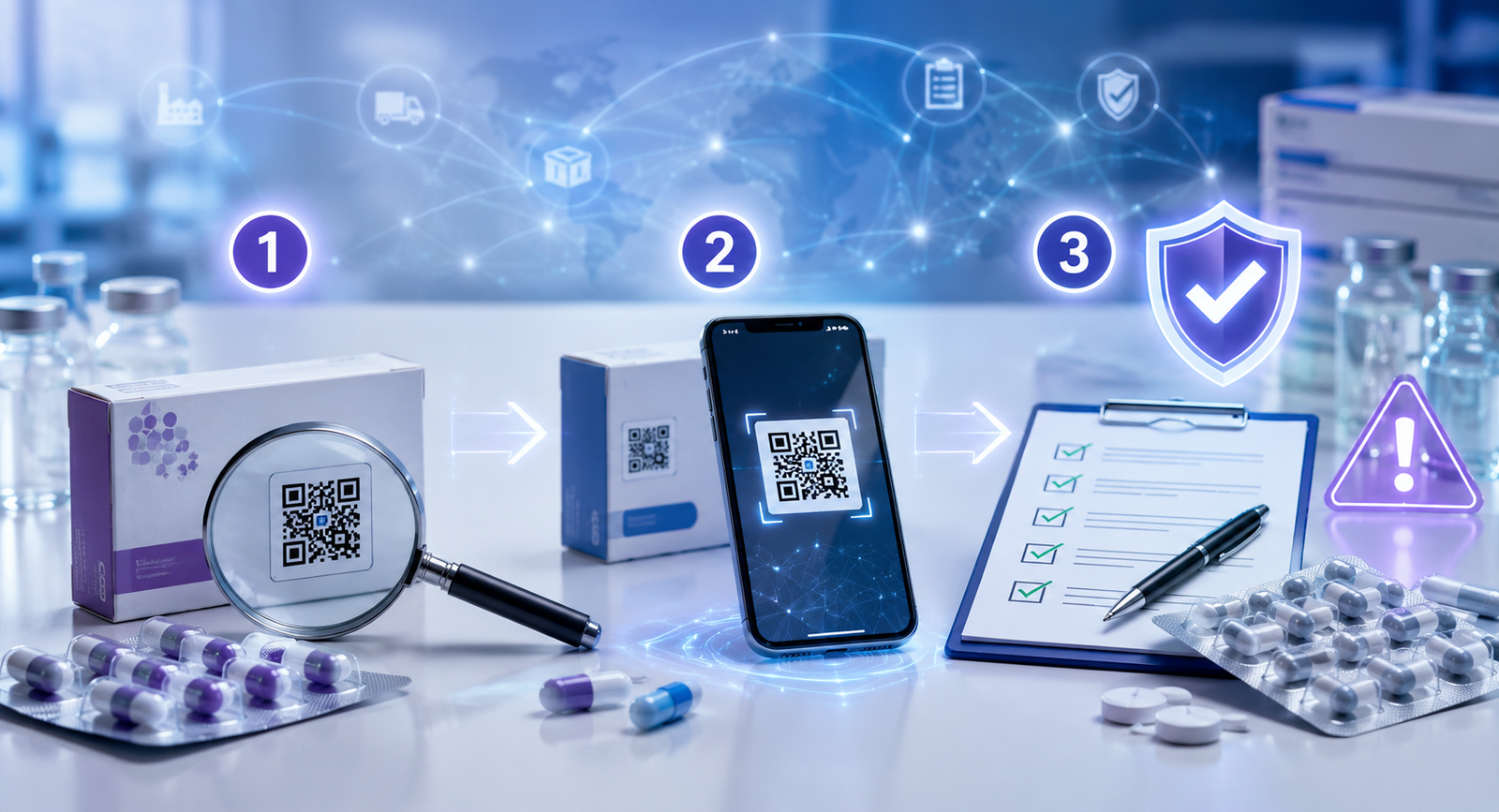
- QR-based checks give instant transparency to pharmacists, doctors, and end-users.
- Real-time monitoring helps regulators spot vulnerabilities before they turn into full-blown crises.
This is how the conversation must shift—from “why are there drug shortages” to “how to prevent drug shortages and counterfeit medicines together.”
Synchrypt’s Role in Building Trust
Synchrypt was built to close the very gaps the WHO, FDA, and policy leaders warn about. By combining blockchain technology with easy QR-based verification, Synchrypt helps:
- Pharmaceutical manufacturers secure their supply chains.
- Regulators track drug safety with accuracy.
- Patients gain peace of mind knowing the medicine in their hands is authentic.
This isn’t just about counterfeit prevention—it’s about restoring confidence in the medicines people depend on and supporting broader policy measures like the executive order discussed in Global Biodefense.
The Road Ahead
The recent executive order is an important step, but the fight against drug shortages and counterfeit medicines requires more than policy. It demands innovation, collaboration, and technology that protects every patient, every dose, every time.
With blockchain-powered platforms like Synchrypt, the vision of a resilient, transparent, and trustworthy drug supply chain can become reality.