
On September 5, 2025, Reuters reported that the U.S. FDA issued an import alert on GLP-1 ingredients—a move that allows detention without physical examination (DWPE) of shipments at U.S. ports unless importers can prove compliance. This action follows FDA inspections showing that nearly 21% of overseas facilities making these obesity and diabetes drug ingredients failed to meet safety standards. Read the original Reuters article here.
While this policy step is important, it also highlights a deeper, ongoing problem: drug shortages and counterfeit medicines often go hand in hand. When trusted sources fail or supply chains tighten, unsafe alternatives—sometimes outright counterfeits—slip into the market.
Why Drug Shortages Open the Door to Counterfeits
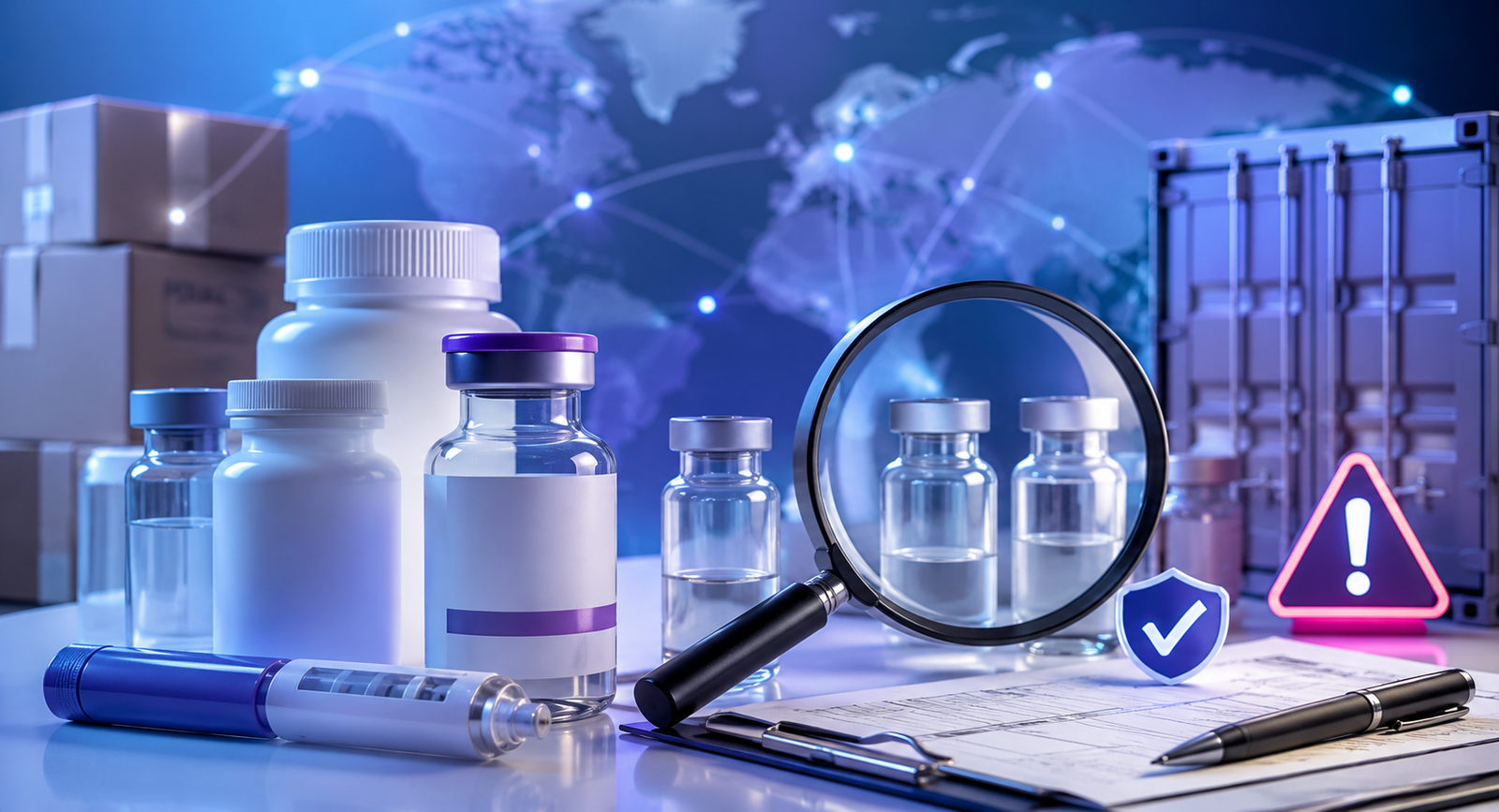
Recent years have shown recurring drug shortages in critical areas: IV saline, antibiotics, oncology drugs, and now GLP-1 weight-loss medications. Each shortage increases the risk of counterfeit weight loss drugs appearing in online markets, unverified pharmacies, or unauthorized supply channels.
This isn’t just a patient inconvenience. It’s about:
- Patients being exposed to substandard or dangerous alternatives.
- Healthcare providers unable to confidently verify authenticity at the point of use.
- Regulators struggling with limited visibility into where counterfeit infiltration occurs.
Even with stronger FDA safeguards like the GLP-1 ingredient import alert and the new FDA green list importers, counterfeit infiltration remains a growing threat.
Why Traditional Safeguards Are Not Enough
Even with detention without physical examination (DWPE) and tighter inspections, challenges remain:
- Manual documentation is vulnerable to manipulation.
- Compounded weight-loss drug risks persist where patients can’t verify source quality.
- Global supply chain complexity leaves gaps that counterfeiters exploit.
The result is a fragile system where counterfeit and unsafe products continue to circulate.
The Role of Technology in Strengthening the Chain
To prevent counterfeit medicines, compliance efforts must go beyond stockpiles and inspections. Technology-driven safeguards are essential.
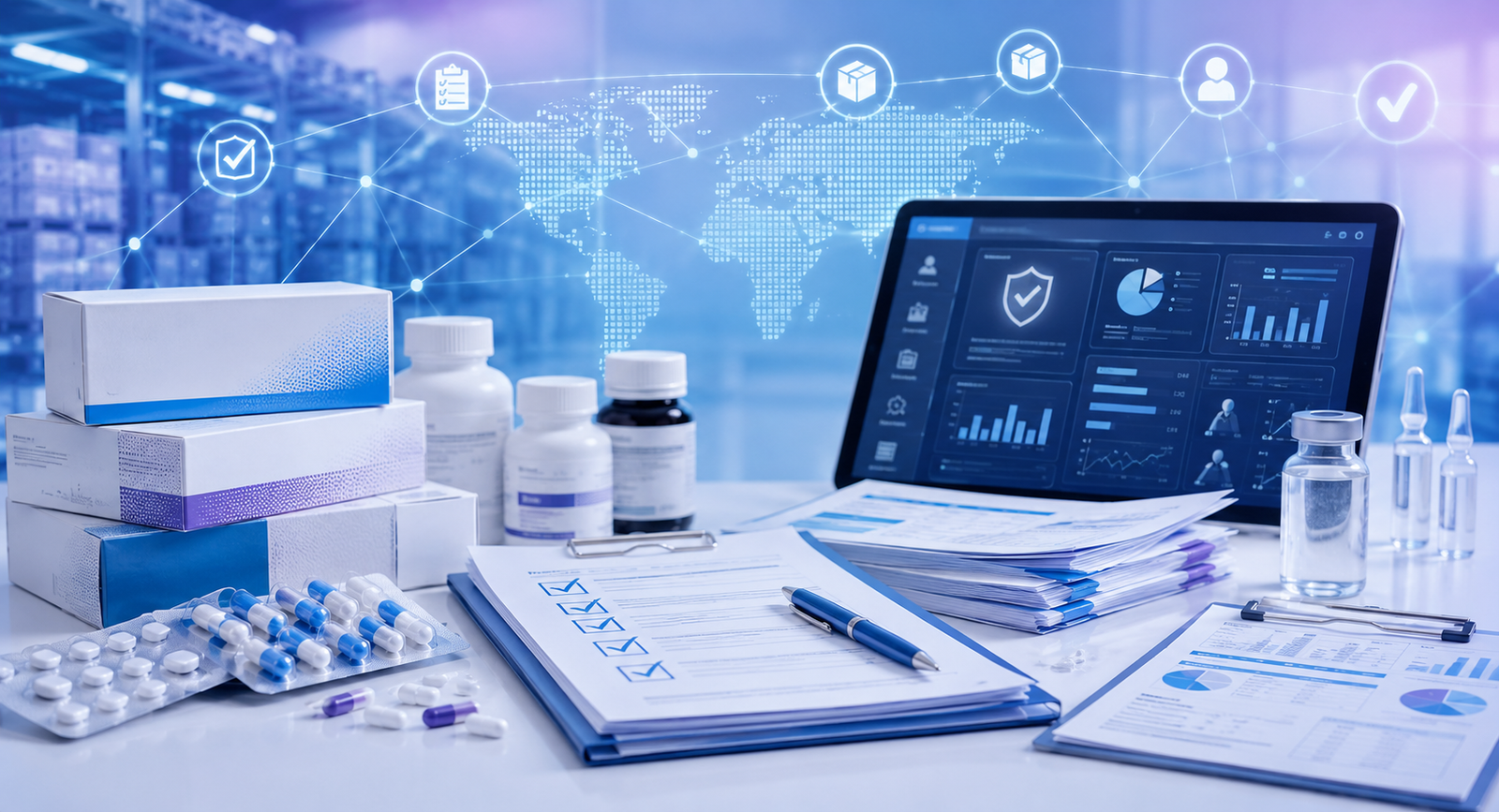
- Blockchain-based verification can secure every handoff in the supply chain.
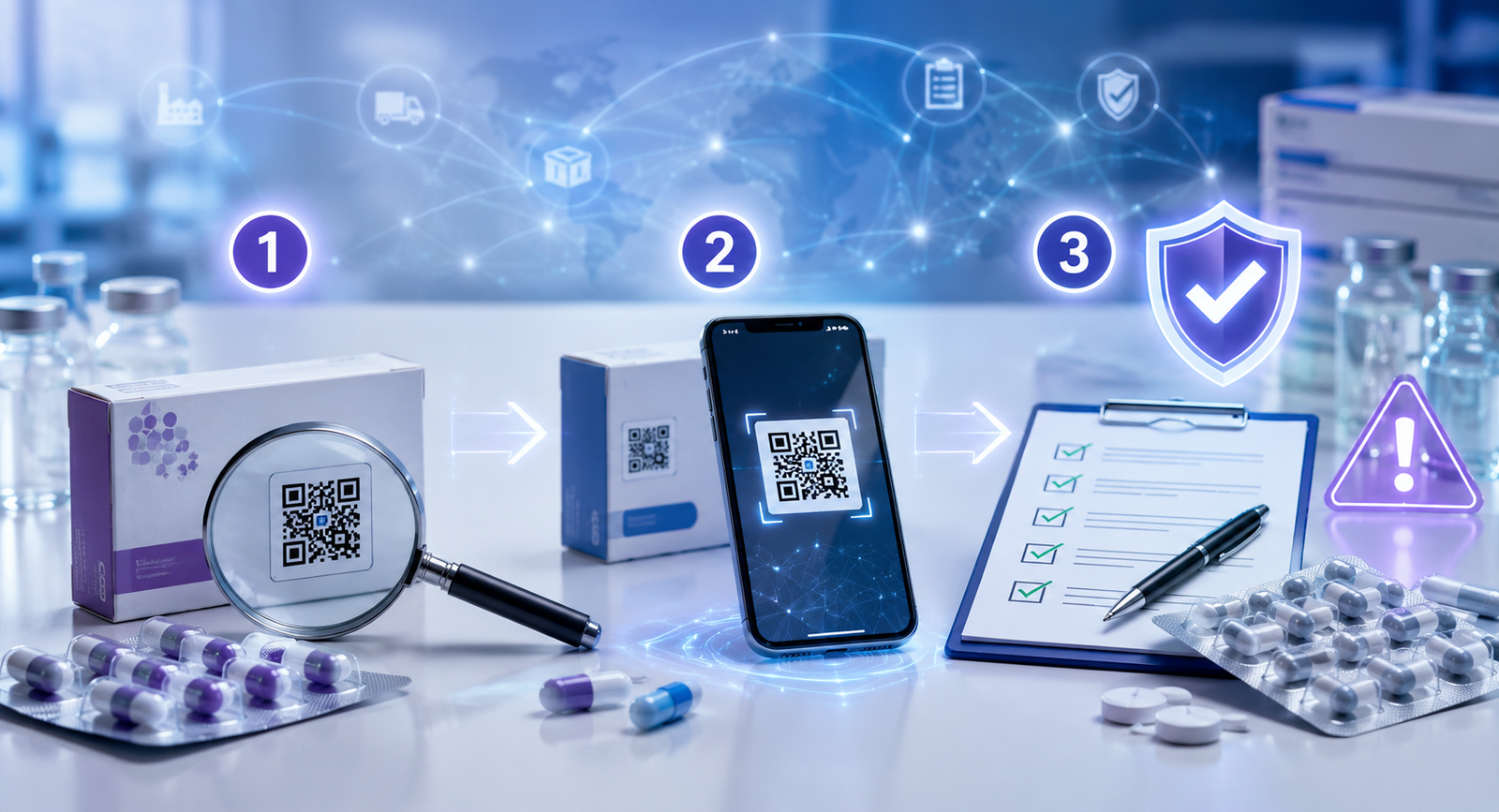
- QR-code checks give pharmacists and patients real-time tools to verify authenticity.
- Supply chain transparency ensures regulators see vulnerabilities before they escalate.
By combining regulatory enforcement with GLP-1 supply chain compliance technologies, the fight against counterfeit medicines can finally move ahead.
How Synchrypt Supports a Safer Future
At Synchrypt, we focus on building exactly this kind of resilience. Our platform enables:
- Manufacturers to record and track medicines securely from production to patient.
- Regulators to monitor in real time, rather than react after crises.
- Consumers to instantly verify that their weight-loss or diabetes medications are authentic.
This isn’t about replacing regulatory safeguards—it’s about strengthening them with digital trust. The vision is simple: every patient, every dose, every time—authentic and safe.
Looking Ahead
The FDA’s recent import alert on GLP-1 ingredients is a necessary wake-up call. But solving the intertwined challenges of drug shortages, counterfeit weight loss drugs, and compounding risks requires more than policy—it requires innovation.
With tools like blockchain verification, real-time monitoring, and platforms like Synchrypt, we can help ensure that medicine supply chains are not only compliant but also transparent, trustworthy, and patient-focused.
Because in the end, protecting drug safety isn’t just about one executive order or one import alert—it’s about creating a future where counterfeit infiltration is no longer possible.