
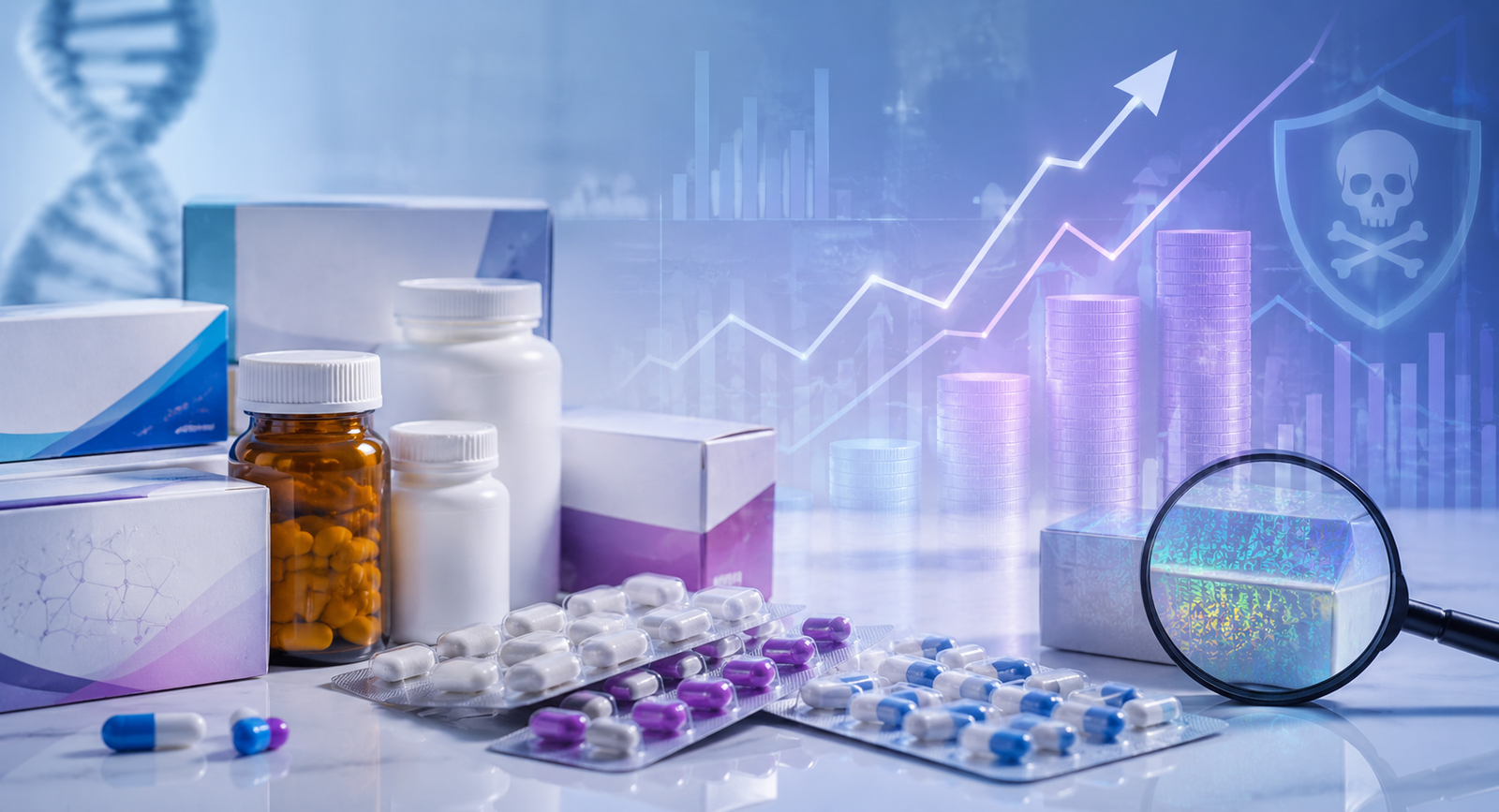
ISLAMABAD — Pakistan’s growing cancer crisis has exposed the fragile state of its pharmaceutical supply chain, where shortages, rising prices, and gaps in supply chain management are creating an opening for counterfeit medicines.
A recent investigation by Health Policy Watch revealed that nearly 20 percent of tested chemotherapy treatments in Pakistan failed quality checks. Some were missing active pharmaceutical ingredients, while others were revealed to be fake medicines. For patients already grappling with a cancer diagnosis, the danger of substandard or falsified drugs adds another layer of risk.
The Cost of Shortages
At the heart of Pakistan’s crisis are oncology drug shortages. As demand rises—185,000 new cancer cases each year, according to the World Health Organization—supply often falters. When trusted medicines are out of reach, patients turn to informal markets where medicine traceability is nearly impossible.
The Drug Regulatory Authority of Pakistan (DRAP) has launched initiatives, including a drug authentication app, but experts warn that traditional safeguards are not enough. Supply chain transparency remains limited, and counterfeiters exploit every gap.
A Global Supply Chain Challenge
What’s unfolding in Pakistan reflects a broader global challenge: ensuring drug traceability in an era of complex international supply routes. From third party logistics (3PL) providers to logistics companies moving medicines across borders, every handoff creates new opportunities for counterfeit infiltration.
Europe faces its own problems. Reports of counterfeit medicines in Europe—particularly in high-demand therapeutic categories like oncology and weight-loss—have forced regulators to strengthen oversight of the pharmaceutical industry Europe. Here too, medicine serialization and robust inventory management systems are vital tools, but gaps remain.
The Role of Technology
Experts point to technology as a critical missing piece. In recent years, blockchain technology has been tested as a safeguard against fraud. By using blockchain in supply chain systems, each transaction—from production to pharmacy—can be logged in a tamper-proof digital ledger.
Such solutions, when combined with smart contracts, can automate compliance. This kind of blockchain supply chain integration creates a level of supply chain visibility that paper records cannot match.
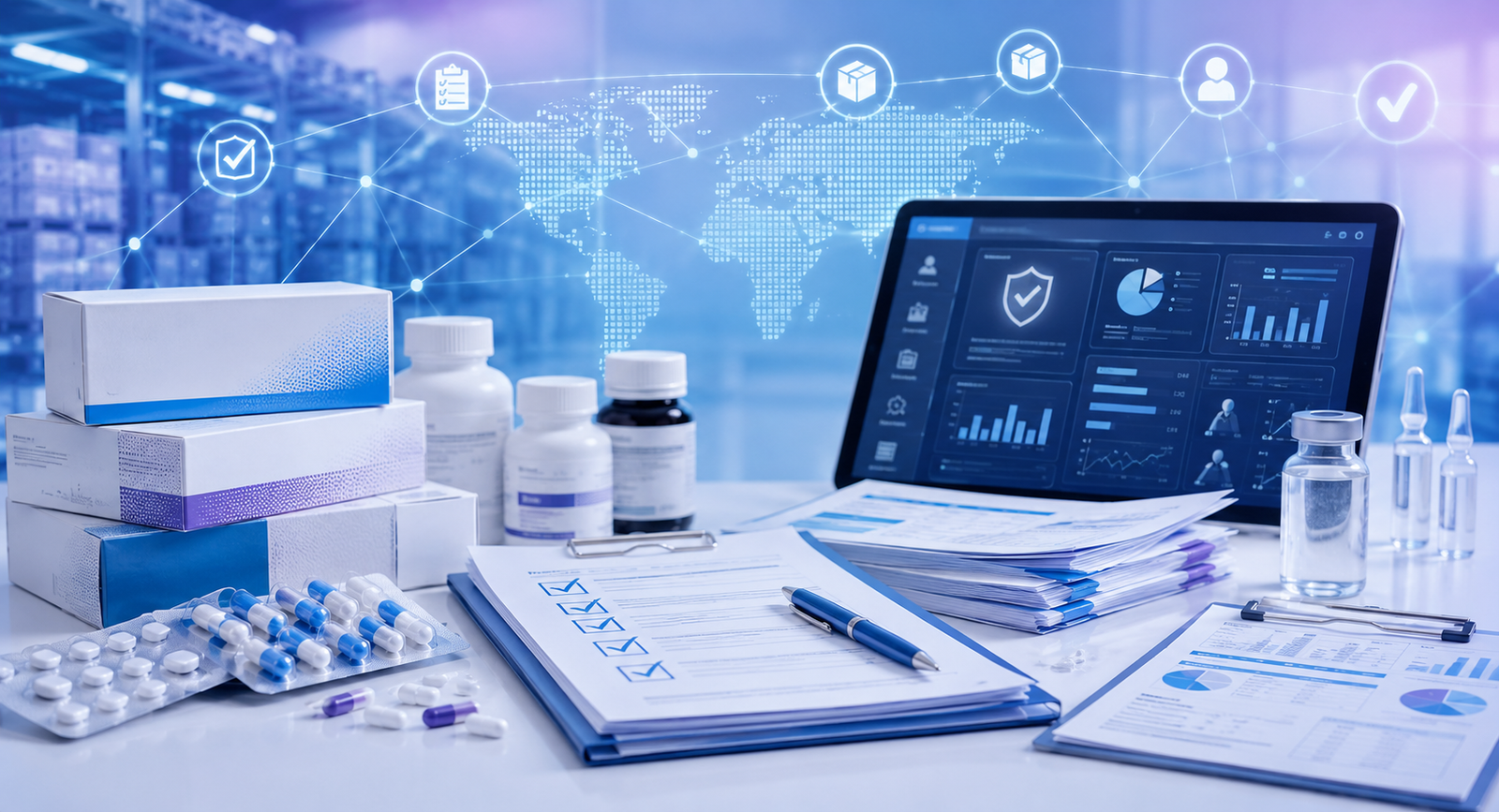
Warehousing, Inventory, and Traceability
The cancer drug crisis in Pakistan has also exposed vulnerabilities in warehousing and storage. Without strong inventory management systems, expired or compromised medicines can slip back into circulation.
“Substandard and falsified medicines exploit every weakness,” said one Islamabad-based oncologist. “From the moment drugs leave the factory to when they reach the patient, every stage of the pharmaceutical supply chain must be secure.”
Where Innovation Meets Policy
Some governments are moving faster than others. In Europe, the pharmaceutical industry has adopted medicine serialization regulations, requiring unique identifiers on every package. These identifiers enable drug authentication at pharmacies, giving patients a way to verify products before use.
But serialization alone cannot solve the issue. Without integrated supply chain software and digital supply chain management platforms, verification remains fragmented. The ultimate goal is full supply chain transparency.
Toward a Safer Future
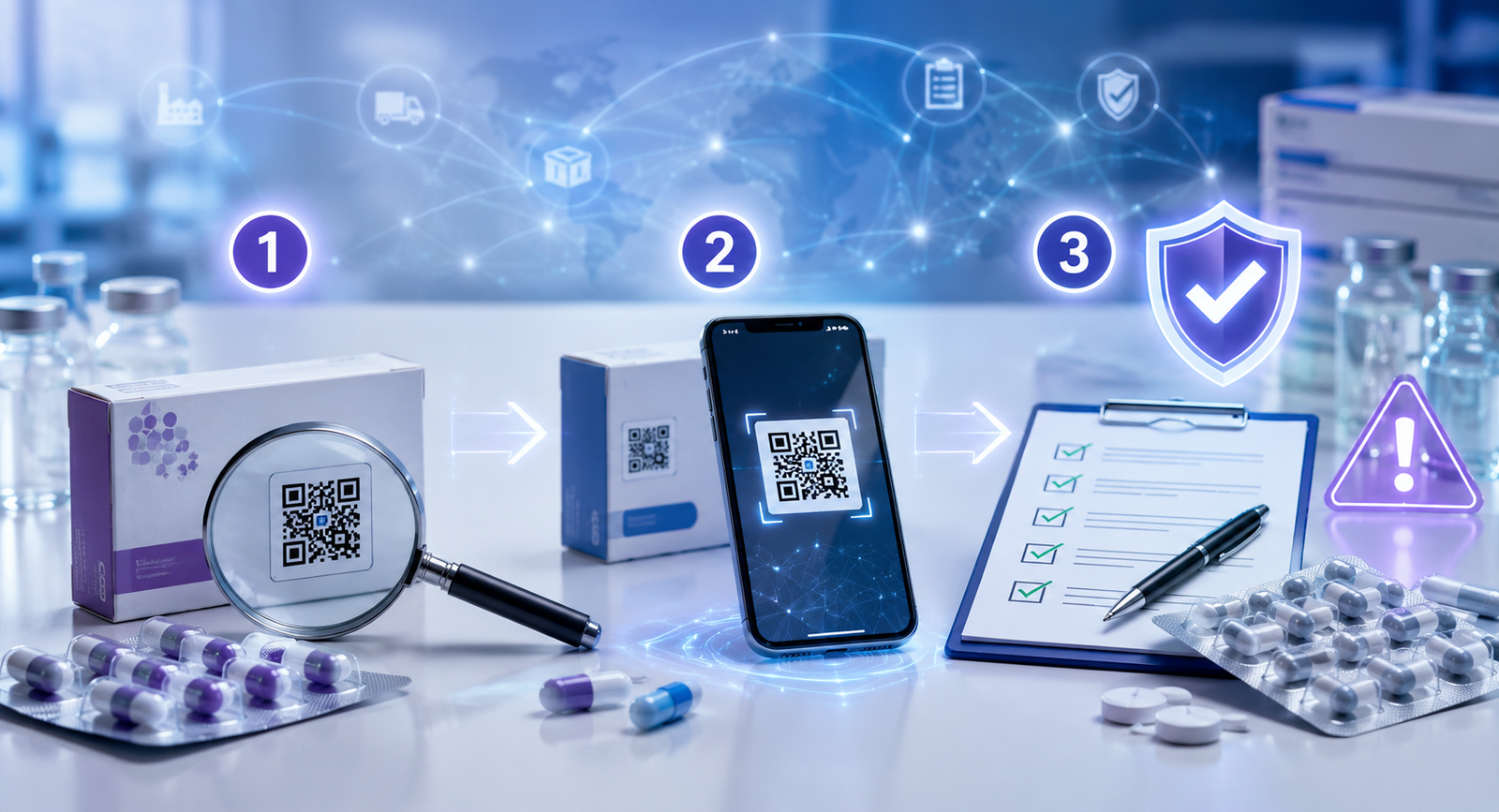
In Pakistan, companies like Synchrypt are piloting solutions that bring these ideas together. By combining blockchain technology, supply chain traceability, and consumer-friendly QR-code scans, platforms like this give regulators oversight and patients reassurance.
While Synchrypt’s role is still emerging, it reflects a larger shift in the pharmaceutical industry toward digital safeguards. For patients, this could mean a future where scanning a code on a box of chemotherapy is as routine as checking an expiration date.
The stakes could not be higher. As the cancer burden grows—and as shortages push patients toward dangerous alternatives—the need for innovation is urgent. Without it, counterfeiters will continue to exploit cracks in the global pharmaceutical supply chain.