
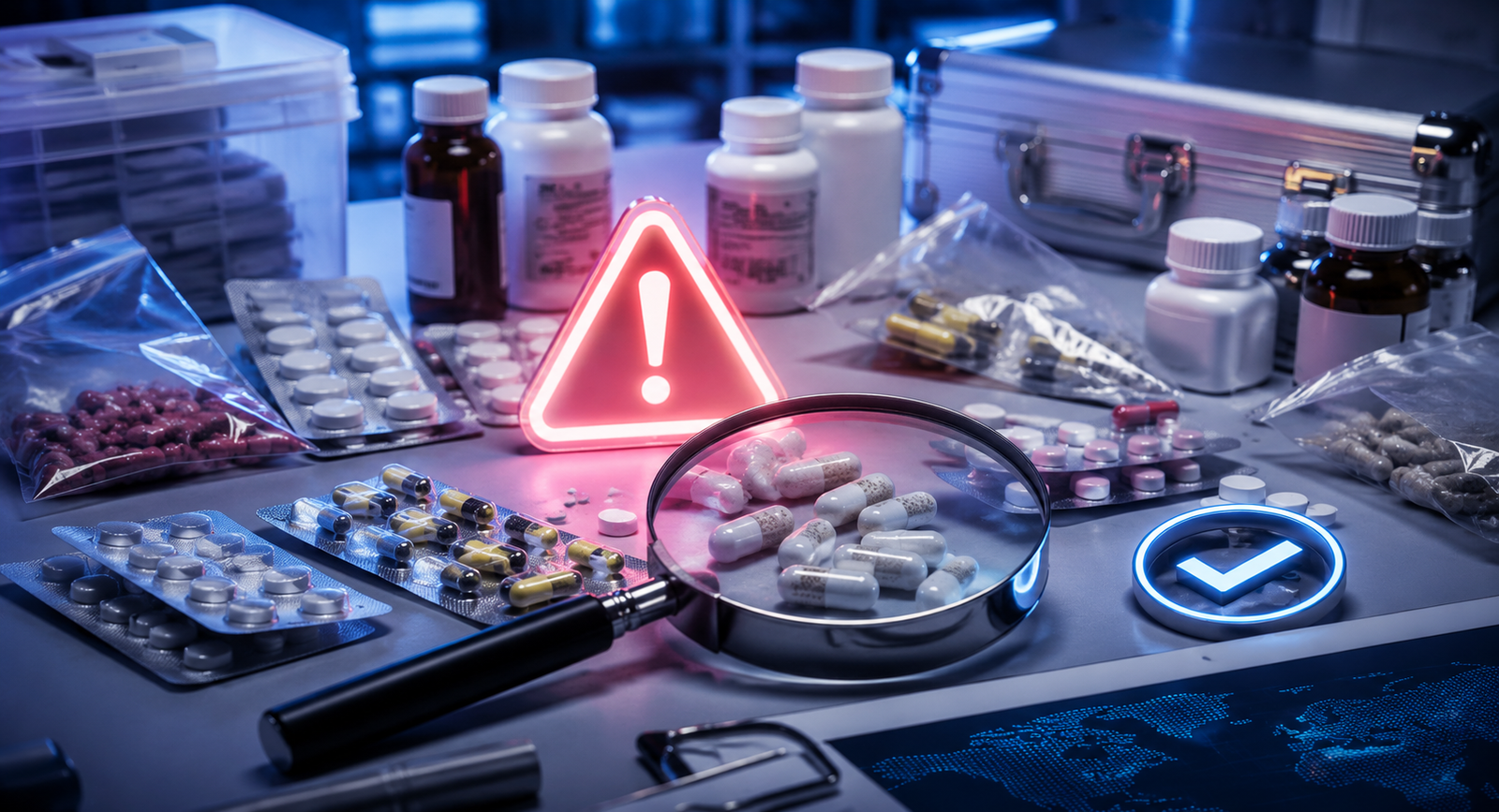
WASHINGTON — The U.S. Drug Enforcement Administration (DEA) has issued a stark warning following the seizure of thousands of counterfeit M30 pills in Washington state, many of which were confirmed to contain carfentanil, a synthetic opioid up to 100 times stronger than fentanyl. Officials underscored that a single counterfeit pill could prove lethal.
A Growing Crisis in Counterfeit Medicines
The counterfeit medicines were disguised as oxycodone tablets but contained highly toxic substances, making them part of a growing epidemic of fake medicines threatening American communities. Laboratory analysis confirmed the pills’ composition, reinforcing concerns about gaps in drug traceability and vulnerabilities in the pharmaceutical supply chain.
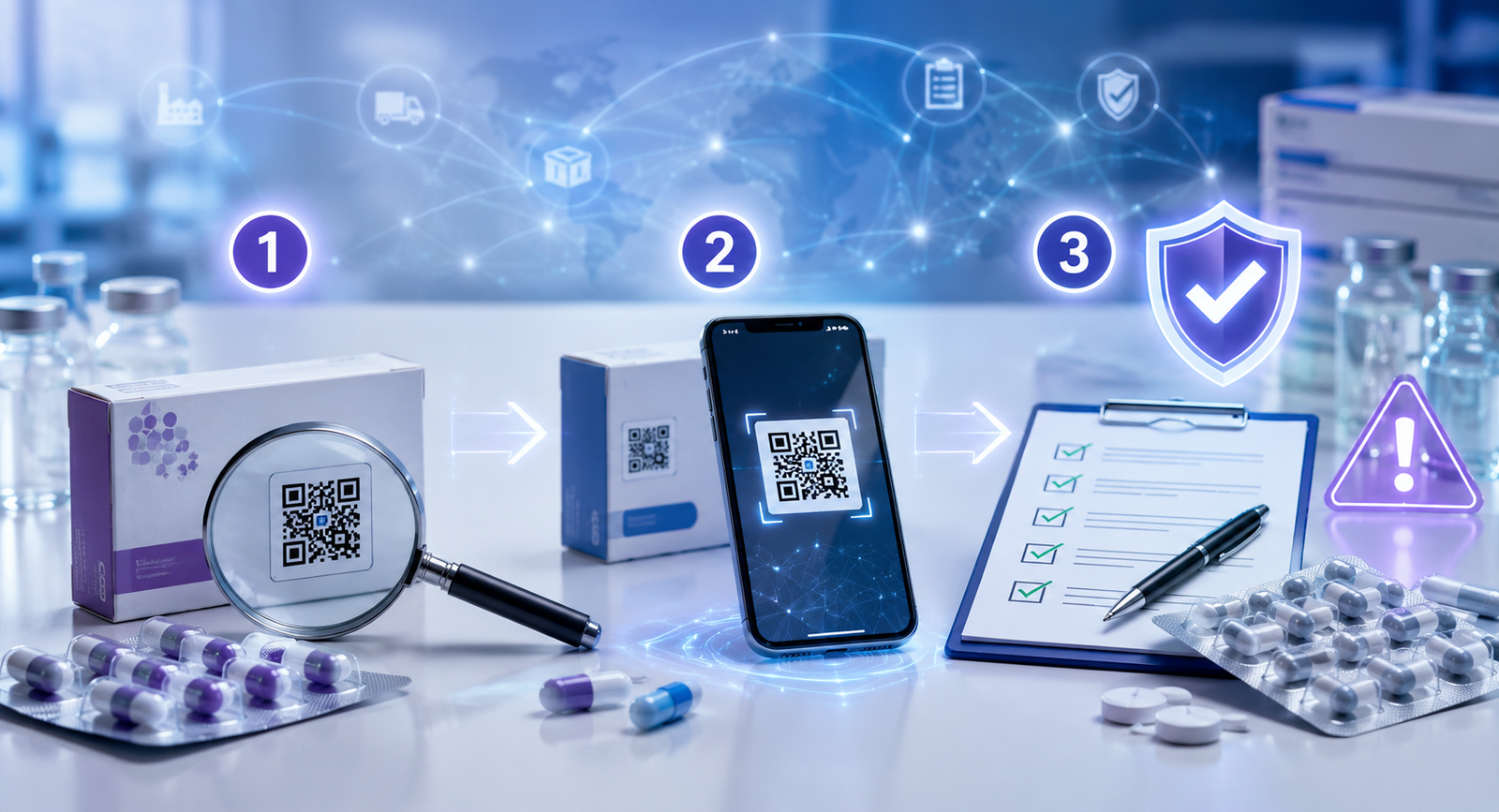
According to DEA officials, distribution of counterfeit pills has intensified across the United States, fueled by criminal networks exploiting weaknesses in supply chain management and logistics. Without robust supply chain visibility and medicine traceability, counterfeit drugs continue to infiltrate legitimate markets.
Implications for the Pharmaceutical Industry
Experts stress that stronger oversight is urgently needed, from warehousing standards to modern inventory management systems, to prevent toxic substances like carfentanil from entering circulation. The seizure raises pressing questions for the pharmaceutical industry, where regulators are focused on improving medicine serialization and drug authentication.
Analysts say the incident highlights the necessity of adopting advanced supply chain software and ensuring transparency across the entire chain, from manufacturers to logistics companies and third-party logistics (3PL) providers.
Calls for Technology and Enforcement
While the DEA’s warning was directed at consumers, experts note that combating counterfeit medicines also requires investment in blockchain technology and smart contracts. A blockchain-powered supply chain can create immutable records, ensuring safer transport and stricter oversight of pharmaceuticals.
Authorities emphasize that public awareness remains critical. The DEA reiterated: “One pill can kill.” The agency urges Americans to avoid purchasing medications from unauthorized sources and online vendors lacking verification.
Restoring Trust in the Supply Chain
Industry analysts believe that securing the pharmaceutical supply chain will require not only advanced technology but also stronger collaboration across logistics providers, regulators, and healthcare organizations. The combination of supply chain transparency, technology adoption, and global enforcement is seen as the best way to combat counterfeit medicines in the U.S. and worldwide.
🔗 Reference: DEA — Warning: Thousands of Counterfeit M30 Pills Containing Carfentanil Seized (September 24, 2025)