
BRUSSELS — In a decisive move to confront the growing wave of counterfeit products flooding online markets, the European Anti-Fraud Office (OLAF) and the European Union Intellectual Property Office (EUIPO) brought together global leaders, law enforcement agencies, and industry partners for a high-level conference titled “Ordered, Counterfeited, Unmasked: The Global Fight Against E-Commerce Fakes.”
Held on 7–8 October 2025, the event gathered customs authorities, logistics companies, pharmaceutical manufacturers, and online marketplaces to strengthen international collaboration against counterfeit and pirated goods — a threat increasingly magnified by the rise of e-commerce and fragmented systems, according to the European Anti-Fraud Office (OLAF).
E-Commerce and the Modern Supply Chain Challenge
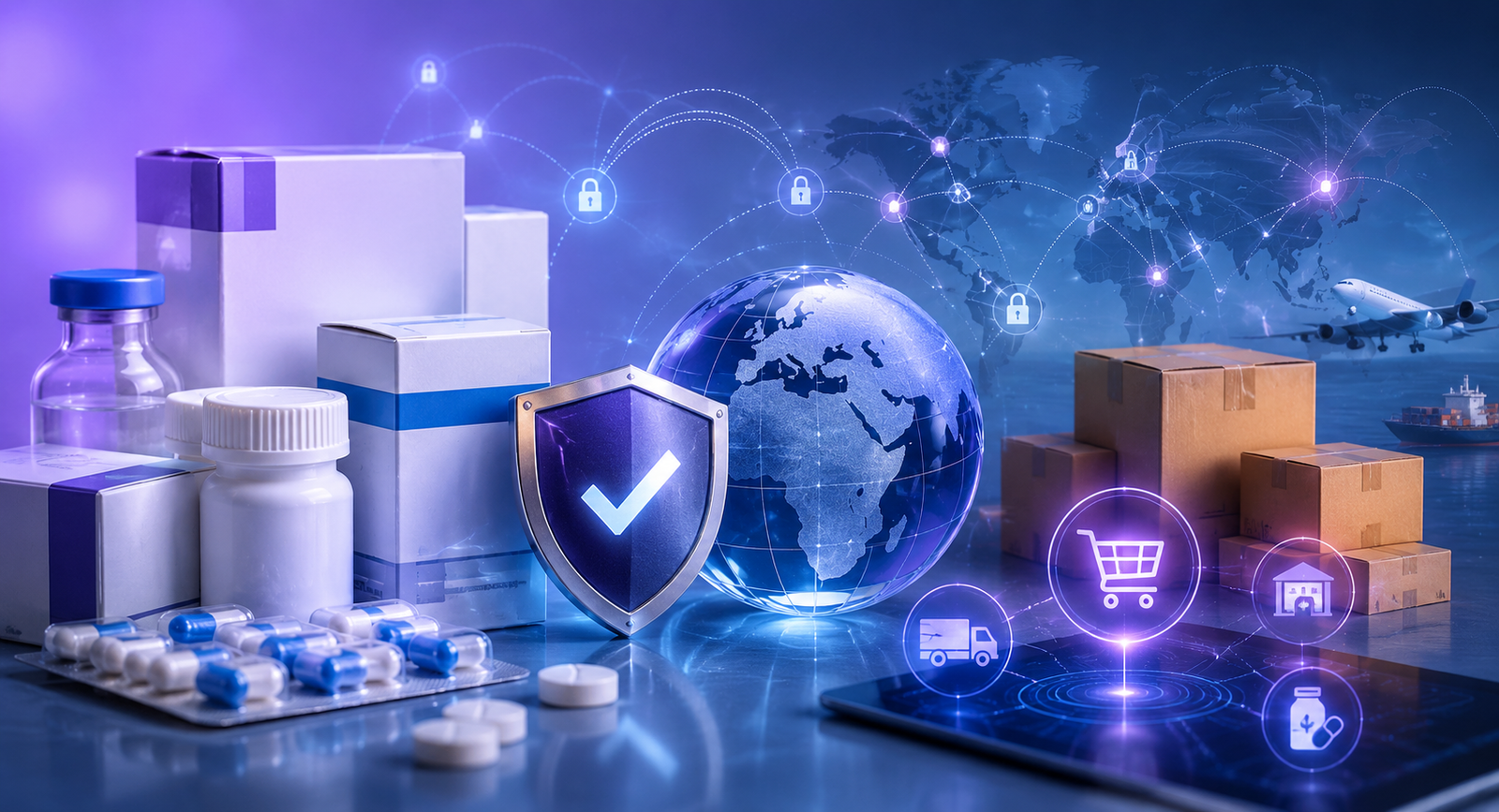
Experts warned that the rapid expansion of e-commerce has reshaped global logistics, creating complex vulnerabilities across the supply chain. Millions of small parcels now cross borders daily, often moving through third-party logistics (3PL) networks and warehousing facilities with limited supply chain visibility and traceability. These blind spots have made it easier for counterfeiters to exploit legitimate trade routes.
“The rise in e-commerce has redefined how we approach supply chain oversight,” one EU official said. “What was once a containerized process is now a global web of micro-shipments, handled by countless intermediaries.”
This shift has placed new pressure on logistics companies and regulators to deploy advanced supply chain software and monitoring tools that can track products in real time — from production to delivery.
A Coordinated Global Response
Speakers from OLAF, EUIPO, and partner agencies emphasized that no single entity can tackle the counterfeit crisis alone. Counterfeit trade is not just a criminal issue; it’s a systemic challenge across international logistics, compliance, and supply chain transparency.
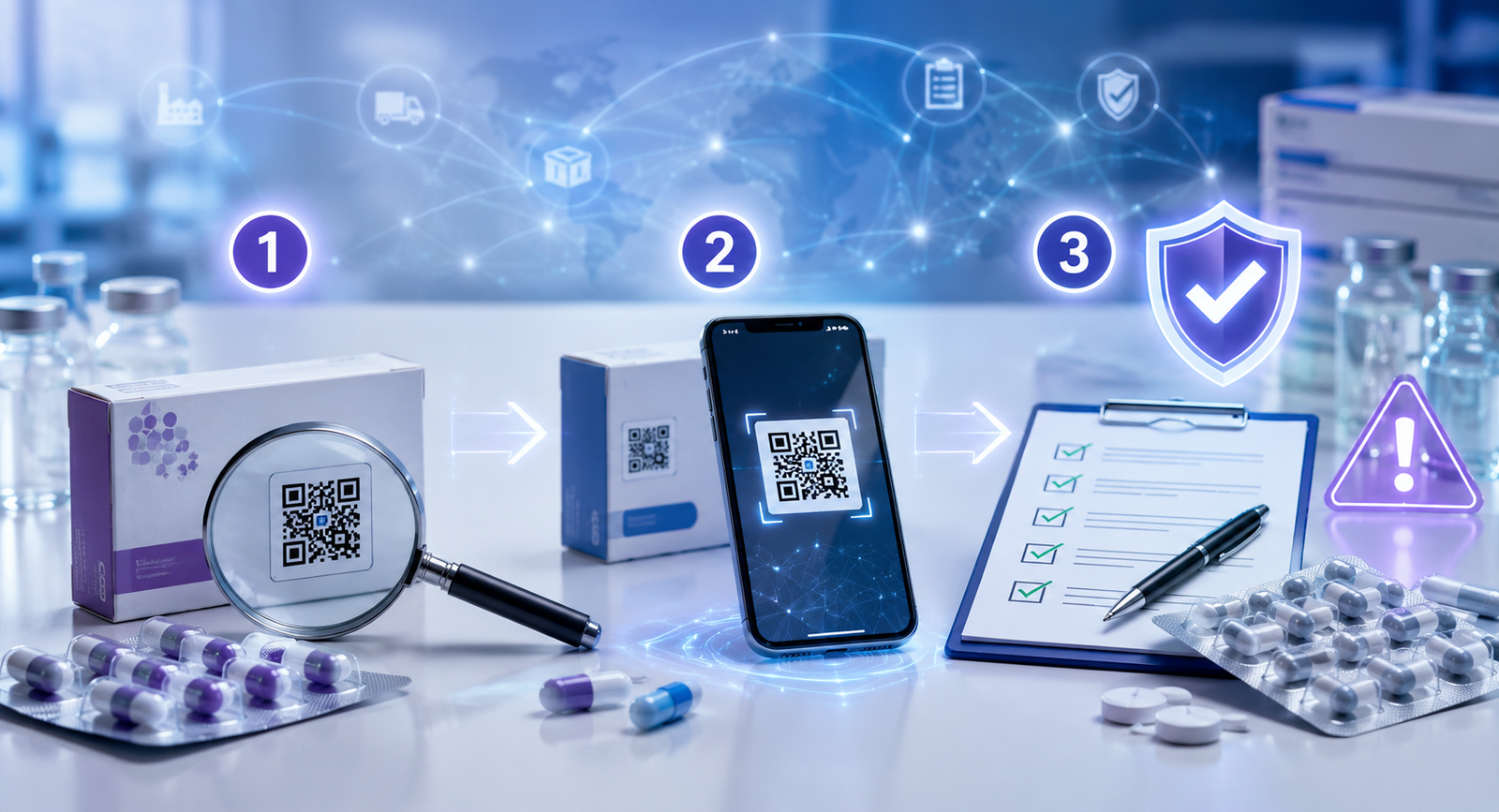
The pharmaceutical industry is among the most vulnerable. Counterfeit and fake medicines continue to infiltrate pharmaceutical supply chains, particularly in Europe, posing direct risks to patient safety and undermining trust in legitimate healthcare systems. Strengthening drug traceability, medicine serialization, and authentication was identified as a top priority for regulators and pharmaceutical industry Europe leaders.
In response, European authorities are enhancing collaboration with 3PL Europe networks and logistics partners to secure high-risk trade routes and reinforce integrity across the supply chain.
Technology and Supply Chain Transparency
While enforcement remains essential, experts underscored that innovation will define the next frontier of protection. Emerging technologies like blockchain technology, smart contracts, and inventory management systems can dramatically enhance supply chain traceability and restore consumer confidence in global trade.
A blockchain supply chain could provide tamper-proof records of every transaction, allowing customs authorities, manufacturers, and marketplaces to verify product authenticity instantly. Smart contracts can automate these verification processes, minimizing human error and administrative delays.
Though the conference focused primarily on policy coordination, experts agreed that integrating blockchain in supply chain management and logistics automation will be key to building a resilient and transparent global trade ecosystem.
Protecting Consumers and Rebuilding Trust
The joint OLAF–EUIPO initiative reflects a growing recognition that counterfeit trade undermines not only intellectual property but also consumer safety, economic resilience, and trust in digital commerce.
“Counterfeit goods sold online continue to evolve in sophistication,” one official stated. “To protect consumers, we must protect the entire supply chain — from manufacturing to logistics and warehousing.”
Analysts agree that strengthening supply chain management through blockchain and digital systems will be essential to ensuring that every product is verifiable and every shipment traceable within modern inventory management systems.
A Global Call for Digital Resilience
As global commerce expands, the need for secure and transparent supply chain systems has never been greater. The 2025 OLAF–EUIPO initiative signals a renewed commitment to collaboration — uniting policymakers, logistics providers, and technology innovators to safeguard trade integrity.
By embracing blockchain technology, advanced supply chain software, and intelligent logistics networks, governments and corporations can create a future where every shipment is authentic, every transaction transparent, and every consumer protected.