
A shocking new investigation by the Partnership for Safe Medicines (PSM) has exposed the alarming scale of freight fraud fueling illegal prescription drug imports. More than seven million doses of tirzepatide — marketed under brands like Mounjaro and Zepbound — were shipped into the United States between June and July 2025 by companies not registered with the U.S. Food and Drug Administration (FDA).
The findings highlight a growing crisis threatening pharmaceutical supply chain integrity, consumer safety, and global trade transparency. With fake medicines entering markets through unregulated networks, experts warn that global supply chain management systems are facing an unprecedented test.
Freight Fraud and the Cracks in Supply Chain Management
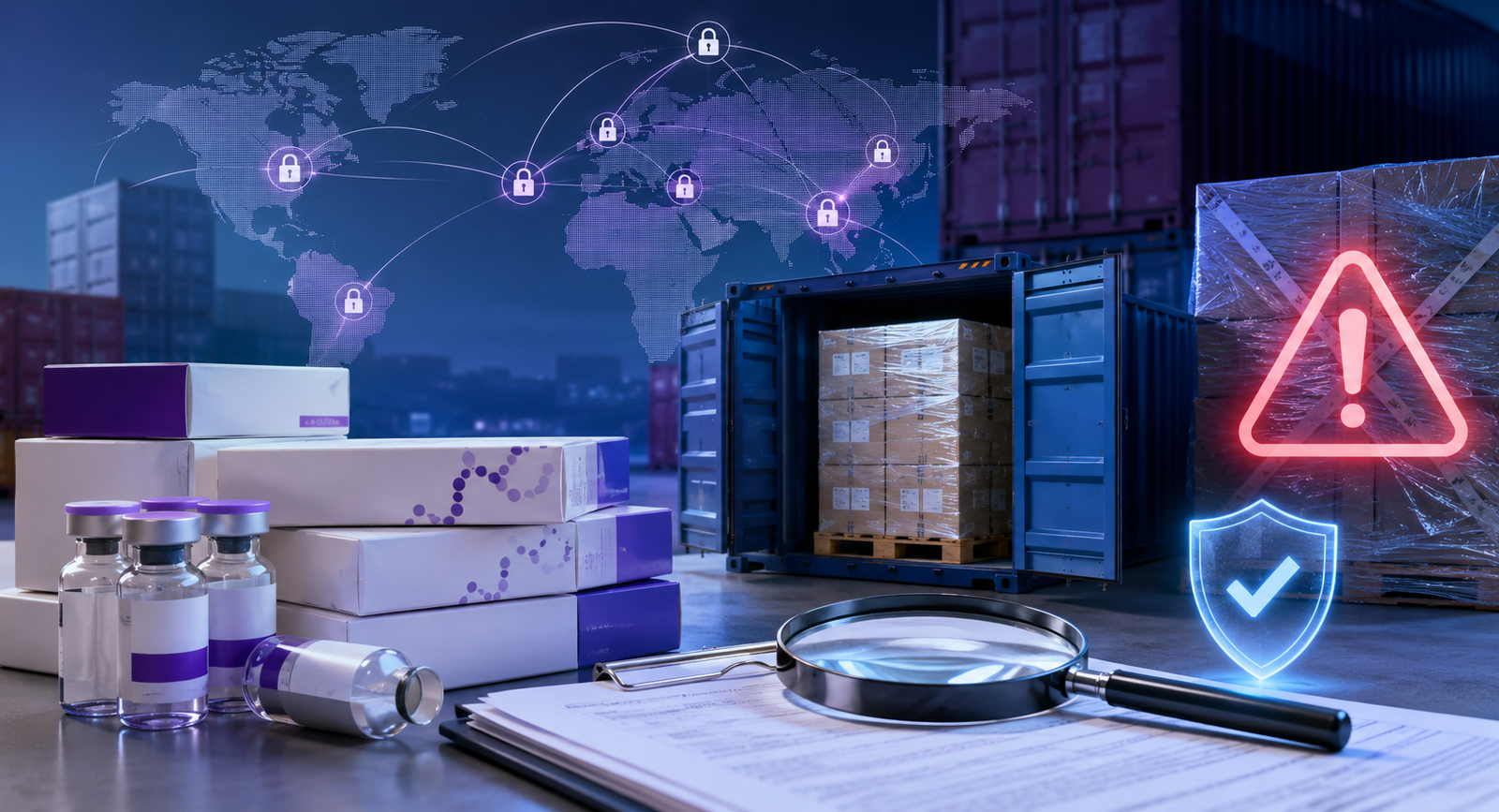
Investigators discovered that many illicit shipments were disguised as legitimate parcels, exploiting fragmented logistics systems, third-party logistics (3PL) providers, and warehousing networks with limited real-time visibility. These weak points allow counterfeit medicines to pass undetected through import channels.
“Freight fraud is the new frontier of pharmaceutical crime,” the report states. “Weak supply chain traceability lets non-FDA-registered distributors evade oversight.”
Industry experts emphasize the urgent need for modern supply chain software, integrated inventory management systems, and logistics companies equipped to verify product authenticity at every node. Without full supply chain visibility, counterfeiters exploit the very networks designed to protect patients.
Public Health Risks and the Global Reach of Counterfeit Drugs
The pharmaceutical industry now faces what experts call a “dual crisis” — an intersection of economic fraud and public health emergency. Fake tirzepatide doses and other counterfeit weight-loss drugs are flooding online marketplaces, putting millions at risk.
Across the United States and Europe, counterfeit medicines have undermined public confidence. The increasingly complex pharmaceutical supply chain makes it harder for regulators to trace and verify authentic products in motion.
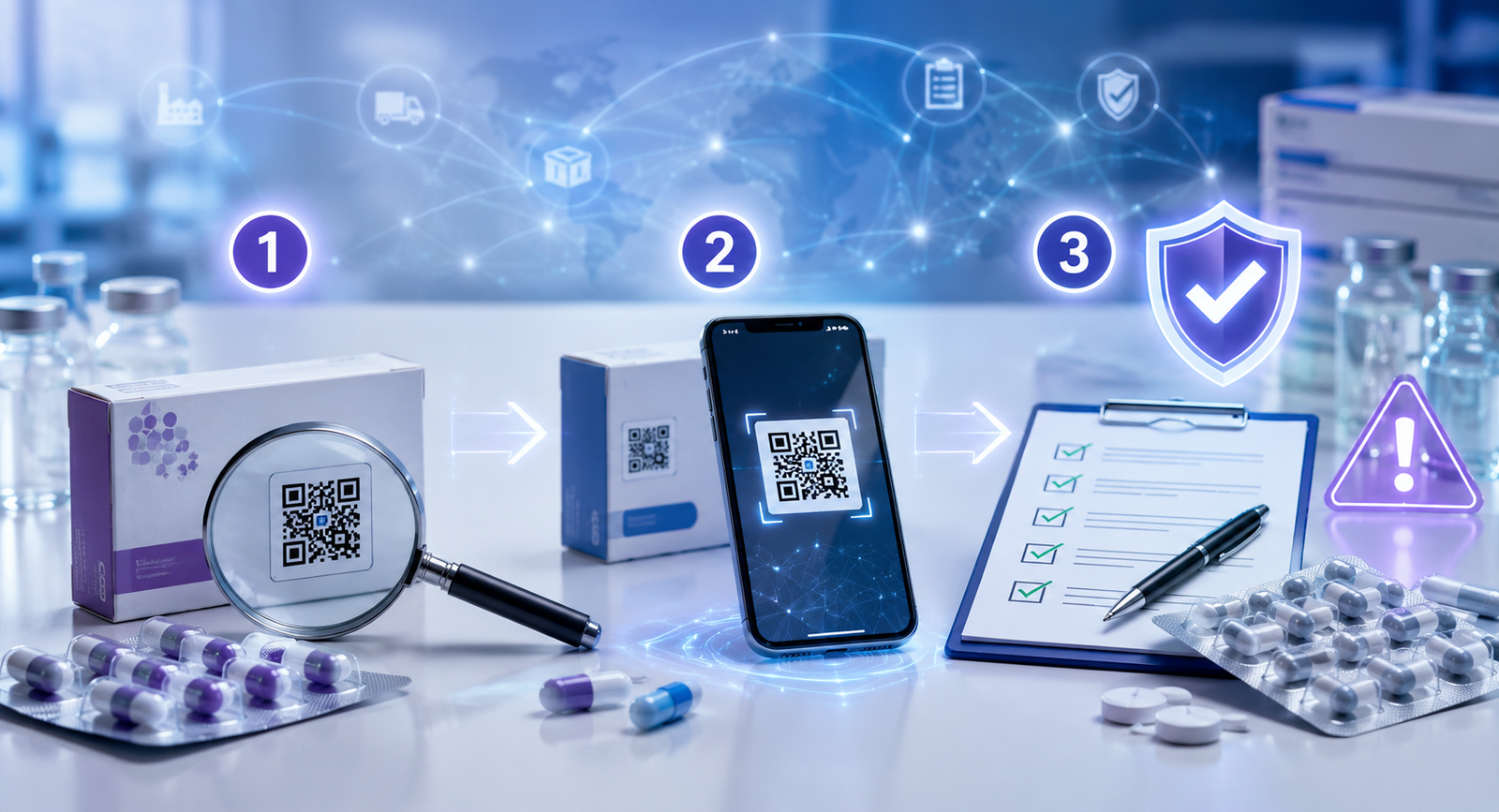
Regulators are urging stricter medicine traceability and drug authentication protocols to prevent unverified products from reaching pharmacies. Similar initiatives are underway in pharmaceutical industry Europe, where authorities are enforcing tighter medicine serialization and packaging standards to boost accountability.
Technology and Blockchain Solutions for Supply Chain Transparency
Experts agree that technology is key to rebuilding trust. Advanced blockchain in supply chain systems, integrated with smart contracts, can deliver the supply chain transparency and traceability the industry urgently needs.
By adopting a blockchain supply chain model, every product movement can be securely recorded — creating an immutable, verifiable log in real time. Smart contracts can automate compliance and verification processes across manufacturers, distributors, and logistics companies, ensuring only authentic products reach consumers.
“Blockchain is more than a buzzword — it’s an essential safeguard for global trade,” said a PSM analyst. “When combined with verified 3PL logistics networks and modern inventory management tools, it detects anomalies before counterfeit drugs harm patients.”
Global Enforcement and the Call for Accountability
The Partnership for Safe Medicines urges closer cooperation between governments, customs, and 3PL logistics providers. Recommendations include tighter monitoring of import documentation, enhanced customs screening, and global awareness campaigns to curb illegal online drug sales.
Regulators across the U.S. and Europe are exploring new frameworks for pharmaceutical supply chain transparency. Initiatives under discussion include shared digital registries, verified supplier databases, and blockchain technology pilots integrated into existing compliance platforms.
These cross-border reforms aim to improve drug traceability, seal warehousing loopholes, and unify inventory management systems under a global standard.
A Turning Point for Pharmaceutical Integrity
The tirzepatide scandal is seen as a tipping point for the global pharmaceutical trade. As supply chain management evolves, leaders now realize that compliance alone is insufficient — real-time visibility, traceability, and technology-driven verification must become the industry standard.
This case underscores a sobering truth: when supply chain transparency fails, public health pays the price. From falsified antibiotics to counterfeit weight-loss drugs, the threat extends beyond profits — it endangers lives.
By adopting blockchain technology, smart contracts, and digital supply chain solutions, regulators and companies can transform crisis into reform, creating a future where every shipment is verified and every patient is safe.
The Partnership for Safe Medicines continues to advocate for stronger enforcement, smarter technology, and global cooperation — because in the fight against fake drugs, the future of patient safety depends on a trusted, transparent, and traceable pharmaceutical supply chain.