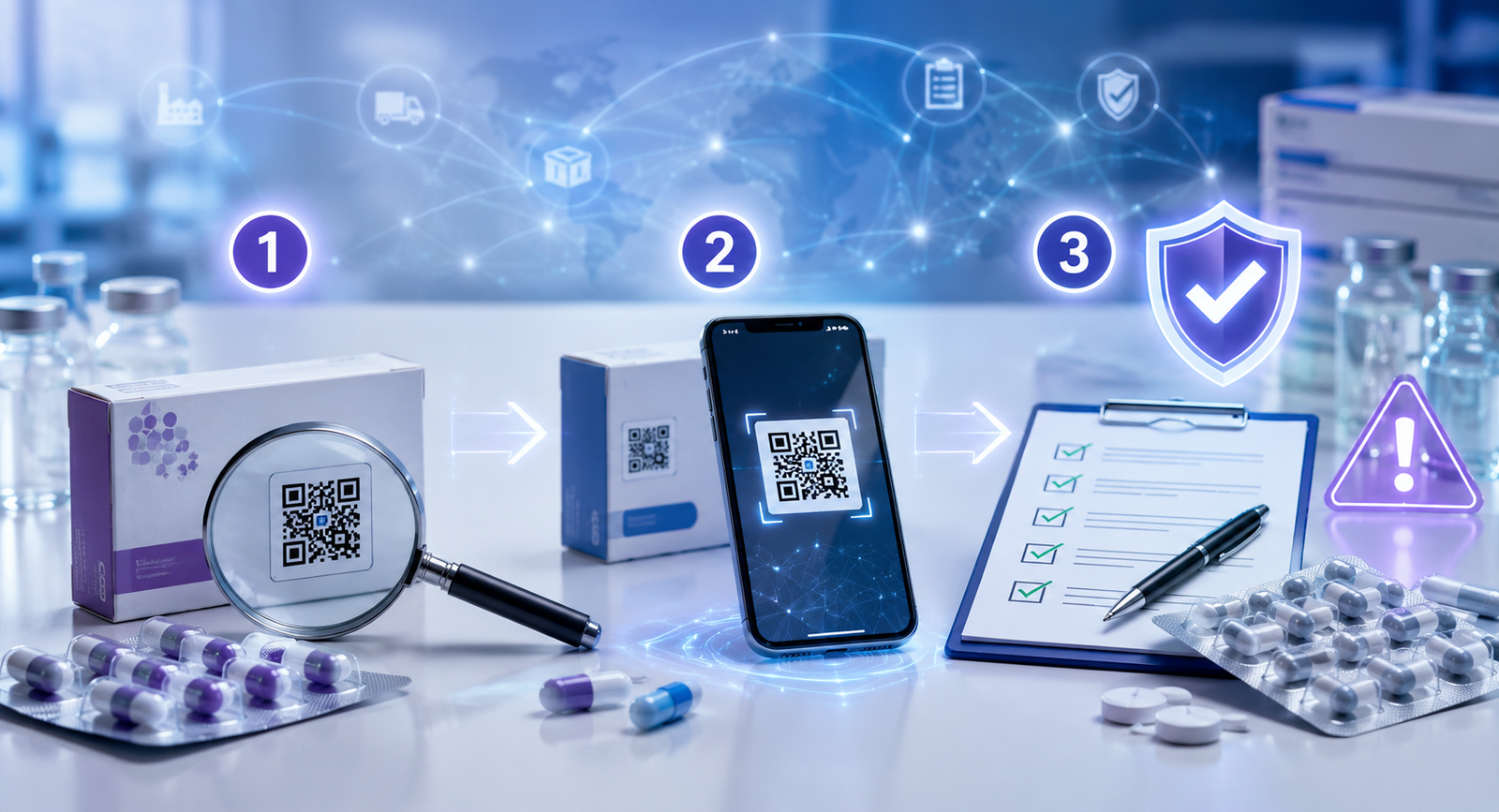


New Delhi — India’s pharmaceutical industry, long considered a global hub for affordable medicines, is once again under international scrutiny after three cough syrups were declared toxic following the deaths of multiple children. This alarming case has reignited calls for greater supply chain transparency, medicine traceability, and the urgent adoption of blockchain technology to prevent the distribution of counterfeit medicines and fake drugs worldwide.
A Tragic Failure in the Pharmaceutical Supply Chain
The Indian government confirmed that laboratory tests revealed contamination in the cough syrups, linking them to fatal outcomes among children. This tragedy exposes a deep vulnerability in the pharmaceutical supply chain, where lapses in inventory management systems, inadequate logistics oversight, and weak third-party logistics (3PL) controls often lead to devastating consequences.
Experts argue that such incidents are not isolated but are symptoms of systemic flaws in supply chain management — from warehousing inefficiencies to poor supply chain visibility across production and export networks. As India continues to export medicines to Europe, Africa, and other regions, the global pharmaceutical industry faces mounting pressure to modernize its traceability systems.
The Case for Blockchain in Supply Chain Management
In the wake of repeated incidents involving fake medicines and substandard drugs, industry leaders are turning to blockchain supply chain software as a long-term safeguard. Blockchain technology, with its immutable ledger and smart contract automation, offers end-to-end supply chain traceability — from manufacturer to patient.
“Every vial, every shipment, and every ingredient can be authenticated in real-time,” said an analyst from a leading logistics company in Europe. “This isn’t just about compliance — it’s about rebuilding trust in the pharmaceutical supply chain.”
The integration of blockchain in supply chain management could eliminate data manipulation, improve transparency, and enable drug authentication at every stage. Smart contracts would automate verification, ensuring only certified manufacturers and verified distributors handle medical products.
Logistics Companies and 3PL Europe Under Scrutiny
European regulators are now questioning the role of third-party logistics (3PL) partners that transport pharmaceutical goods globally. Weak checkpoints, poor warehousing standards, and outdated inventory management systems are making it easier for counterfeit medicines to infiltrate legitimate supply routes.
According to logistics experts, even the most advanced logistics companies face difficulties ensuring full supply chain visibility across complex global networks. Blockchain-backed supply chain software could act as a unifying layer, allowing both regulators and producers to monitor real-time data securely.
Reimagining Pharmaceutical Safety With Technology
The current crisis has exposed how fragile the pharmaceutical industry can be without digital transformation. Implementing medicine serialization, drug traceability, and supply chain software powered by blockchain can make the difference between life and death.
From automated inventory management systems to secure warehousing solutions, innovation in logistics and supply chain traceability is no longer optional — it’s essential. Blockchain technology offers the trust layer the pharmaceutical industry Europe and Asia desperately need.
A Global Call to Action
The deaths linked to contaminated syrups are a stark reminder that supply chain management isn’t just a technical process — it’s a moral responsibility. As governments and companies respond, the world is watching whether the pharmaceutical sector can adopt a transparent, tech-enabled future.
To safeguard global health, experts urge the integration of blockchain in supply chain, mandatory medicine serialization, and AI-driven inventory management systems. Only then can the world eliminate counterfeit medicines Europe and beyond.
Reference
Adapted and expanded from Reuters’ report: India declares three cough syrups toxic after child deaths (October 9, 2025)