
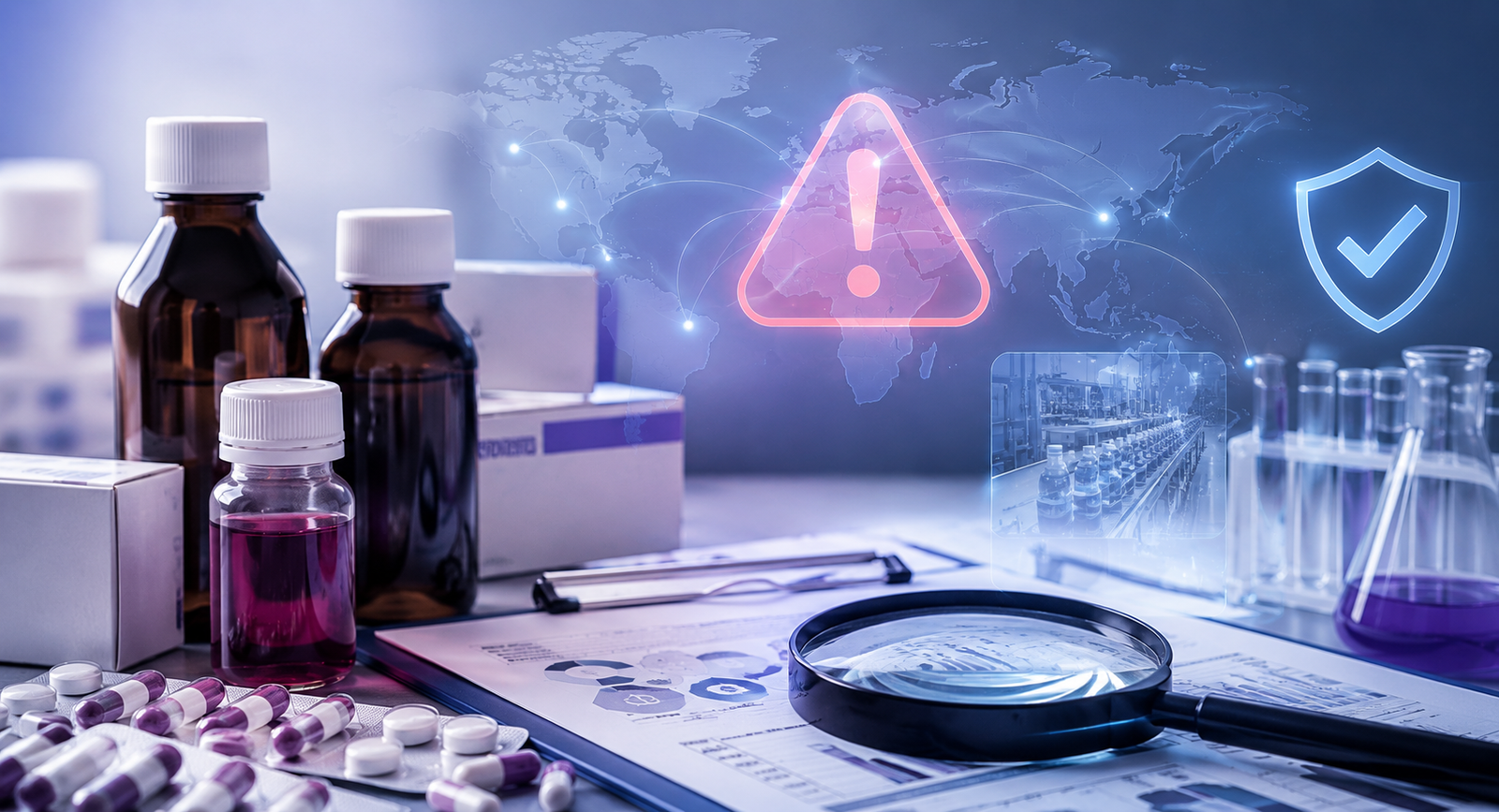
A startling alert from the World Health Organization (WHO) has exposed a dangerous breach in the pharmaceutical supply chain: several batches of oral liquid medicines produced in India were found contaminated with diethylene glycol and ethylene glycol — industrial chemicals known for their deadly toxicity.
The warning casts a global spotlight on weak links across supply chain management, logistics, and warehousing, reigniting debate over how far the pharmaceutical industry still has to go to ensure supply chain visibility and medicine traceability.
A Crisis in Medicine Safety
The WHO’s Medical Product Alert N°5/2025 identifies multiple contaminated cough syrup brands — including Coldrif, Respifresh TR, and Relife — that were distributed without proper regulatory approval. These substandard products echo previous global incidents tied to child fatalities, underscoring a systemic vulnerability in how pharmaceutical supply chains are managed and monitored.
The WHO warned that counterfeit medicines and fake medicines continue to infiltrate legitimate healthcare systems, eroding public trust and endangering lives. The findings emphasize that fragmented logistics companies, outdated inventory management systems, and poorly connected third-party logistics (3PL) networks allow such threats to persist.
Supply Chain Under Strain
Industry experts say the crisis demonstrates an urgent need for modern supply chain software and real-time monitoring tools that can track products across international borders. Weak coordination in logistics, poor warehousing standards, and manual oversight gaps have left the pharmaceutical sector exposed.
“The risk is not one bad batch — it’s how easily that batch can travel through a global supply chain that lacks unified oversight,” said a senior WHO official.
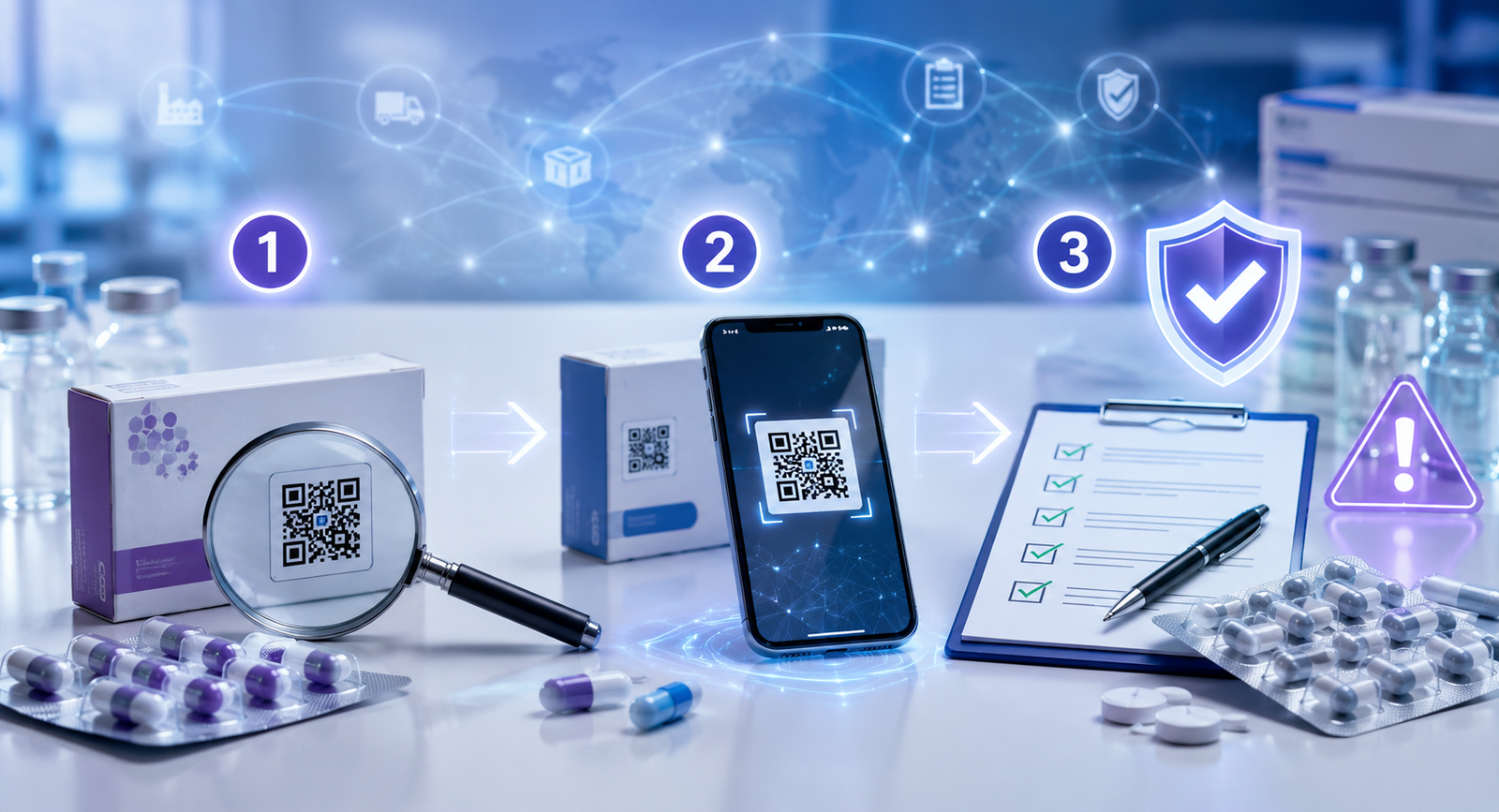
This is why blockchain technology, smart contracts, and blockchain in supply chain systems are increasingly being considered essential. These tools enable supply chain transparency, real-time authentication, and immutable records — ensuring every shipment, batch, and distributor is verifiable.
Moving from Alert to Action
The WHO has urged governments and manufacturers to strengthen drug authentication, medicine serialization, and inter-agency coordination. The call to action highlights the importance of technology-driven supply chain traceability to prevent unsafe or falsified products from reaching patients.
Regions such as Europe are also being affected. Recent reports of counterfeit medicines Europe and falsified imports have revealed that even regulated markets are vulnerable. For the pharmaceutical supply chain Europe, the takeaway is clear: transparency and traceability must become non-negotiable standards.
A Digital Path Forward
Analysts agree that this global incident marks a turning point. The path forward lies in blockchain supply chain frameworks, automated smart contracts, and next-generation supply chain management tools. With robust logistics and integrated 3PL partnerships, the pharmaceutical industry can restore trust and secure its systems end-to-end.
The challenge now is not awareness — it’s action. Will pharmaceutical manufacturers and regulators embrace supply chain transparency and supply chain traceability through innovation, or continue relying on outdated processes that leave patients at risk?