
Paris, France — As counterfeit and substandard medicines continue to flood global markets, the World Health Organization (WHO) has launched an updated training toolkit to help regulators, health workers, and pharmaceutical industry leaders combat the growing epidemic of fake medicines. This move comes at a time when experts warn that the pharmaceutical supply chain is increasingly under threat — from manufacturing fraud to weaknesses in logistics and warehousing operations.
A Global Health Crisis Hidden in Plain Sight
The WHO’s initiative underscores a dangerous trend: the proliferation of counterfeit medicines and substandard medical products, which cost thousands of lives annually. These illicit drugs infiltrate legitimate supply chains, often through poorly monitored third-party logistics (3PL) providers and unregulated distributors. In parts of Europe, counterfeit medicines Europe are now considered a critical security risk, prompting new investments in supply chain traceability and medicine serialization.
Dr. Nathalie Lamy of the EHESP School of Public Health emphasized that while many countries have robust supply chain management systems, gaps in supply chain visibility still allow criminal networks to exploit vulnerabilities. “Without end-to-end supply chain transparency, patients remain at risk,” she said.
The Role of Blockchain in Supply Chain Security
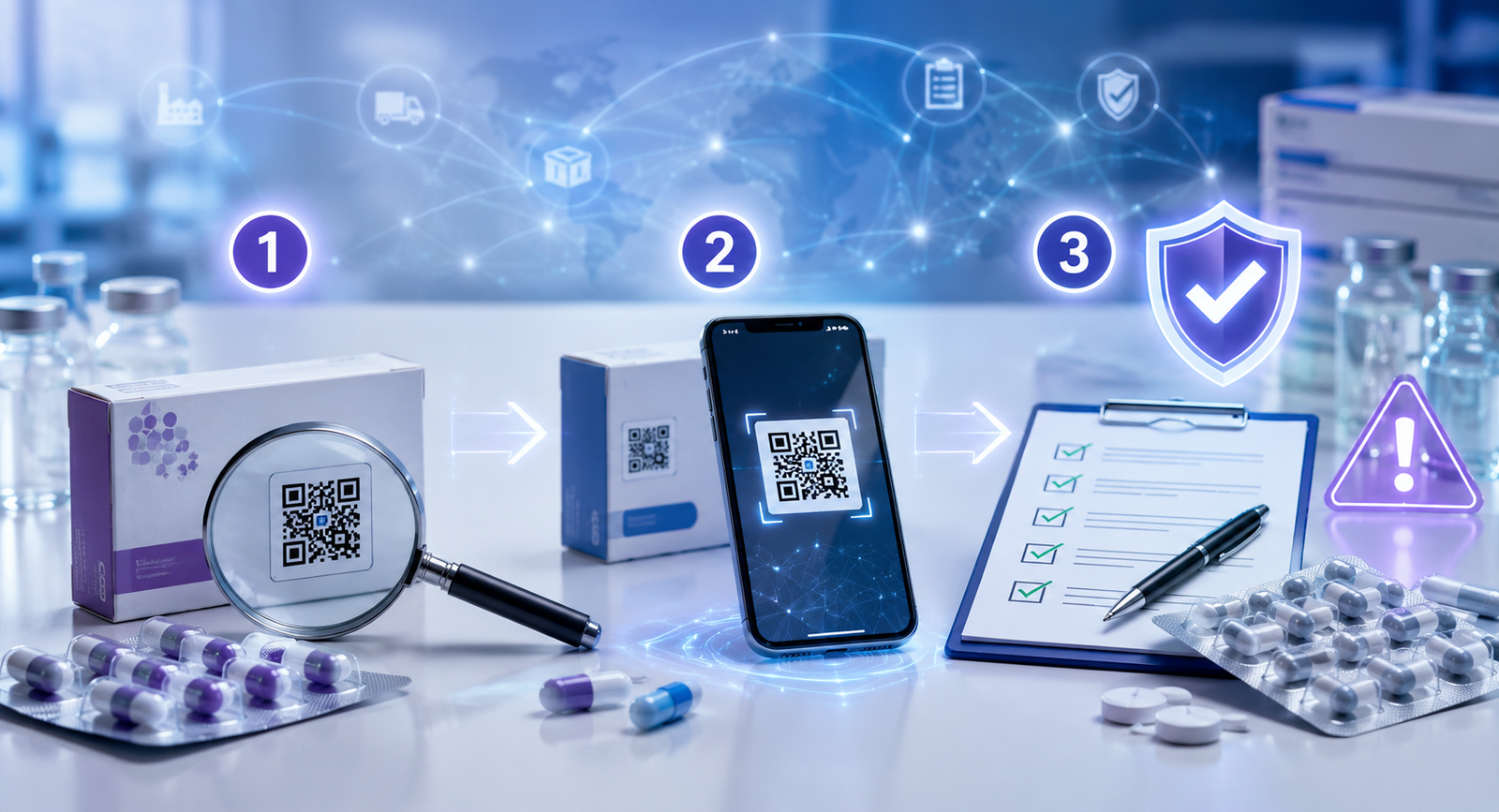
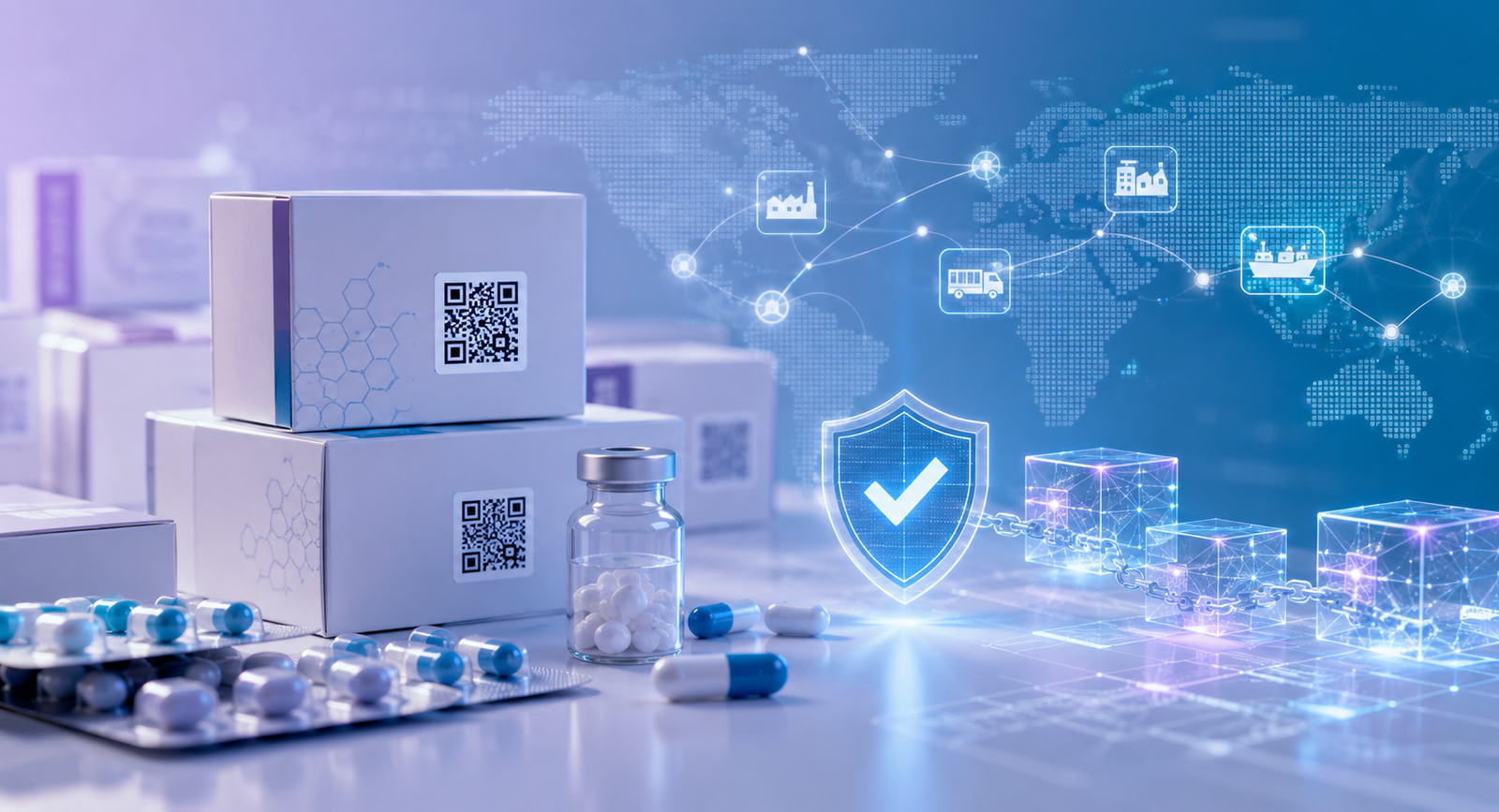
Emerging technologies like blockchain are reshaping how pharmaceutical supply chains are secured. By embedding smart contracts and blockchain supply chain networks into existing supply chain software, companies can achieve unprecedented supply chain traceability — ensuring every batch of medicine is verified from manufacturer to consumer.
According to analysts, blockchain technology can provide immutable records for every step of a product’s journey, reducing fraud and enabling real-time drug authentication. Leading logistics companies and third-party logistics (3PL Europe) providers are already testing blockchain-enabled inventory management systems to automate compliance and strengthen verification protocols.
“Blockchain in supply chain management represents more than just digital innovation — it’s a public health safeguard,” noted a recent WHO advisor. “It allows governments and pharmaceutical firms to work together with transparency and accountability.”
Rebuilding Trust Through Technology and Training
The new WHO toolkit is more than an educational resource — it’s a blueprint for modernizing supply chain management in the pharmaceutical industry. The program trains national regulators, border authorities, and warehousing operators to identify, report, and prevent the circulation of fake medicines.
For logistics companies, the toolkit offers practical modules on supply chain software, inventory management, and medicine traceability, ensuring that shipments can be tracked across multiple international checkpoints. The WHO hopes that integrating these tools with blockchain technology will create a unified digital layer of verification — bridging gaps between regulators, logistics companies, and pharmaceutical manufacturers.
The Future of Secure Pharmaceutical Supply Chains
The European market is at the forefront of this transformation. With growing concerns over counterfeit medicines Europe, pharmaceutical industry Europe leaders are investing in blockchain in supply chain initiatives that leverage smart contracts and decentralized databases for real-time tracking.
By combining supply chain visibility, blockchain supply chain platforms, and advanced inventory management systems, the sector aims to strengthen consumer trust and eliminate fake medicines entirely from the market.
The future of healthcare, experts argue, will depend on how effectively nations can merge technology with human vigilance. Supply chain transparency and blockchain technology are not just innovations — they’re lifelines for millions who depend on safe, authentic medicines.
Reference Source
➡️ EHESP – WHO publishes new version of the training toolkit for trainers