
Geneva — In Rwanda, a kidney transplant patient received what should have been a life-saving immunosuppressant, SIMULECT (basiliximab). Instead, the syringe contained only ascorbic acid. On December 9, 2025, the World Health Organization (WHO) confirmed that falsified SIMULECT injections had infiltrated global pharmaceutical supply chains, with counterfeit medicines reported in Africa and Europe, including Bulgaria and Türkiye.
This case underscores vulnerabilities in the pharmaceutical industry, highlighting gaps in supply chain management, logistics, and drug traceability. Fake medicines like these put patients at severe risk, especially those dependent on immunosuppressants for organ transplants.
From Vial to Global Threat
Forensic testing revealed no active ingredient in suspect SIMULECT vials. Packaging discrepancies — fake batch number “SFYD2,” dosing errors, and dubious manufacturing origins — confirmed they were not genuine. This highlights weaknesses in every step of the pharmaceutical supply chain, from manufacturing and warehousing to distribution and administration.
The Global Challenge of Counterfeit Medicines
In today’s globalized system, drugs move across countries and intermediaries, creating multiple points where fake medicines can infiltrate the market. WHO data shows substandard and falsified medical products are a persistent threat. Traditional regulation alone is insufficient; differences in enforcement, informal markets, and online sales amplify risks and challenge supply chain visibility.
Europe and Persistent Risks
Falsified SIMULECT in Bulgaria shows that even regions with strong regulation are not immune. The European Medicines Agency (EMA) confirms that counterfeit medicines remain a challenge, emphasizing the need for supply chain transparency and secure pharmaceutical supply chains across the industry.
Modern Solutions for Secure Supply Chains
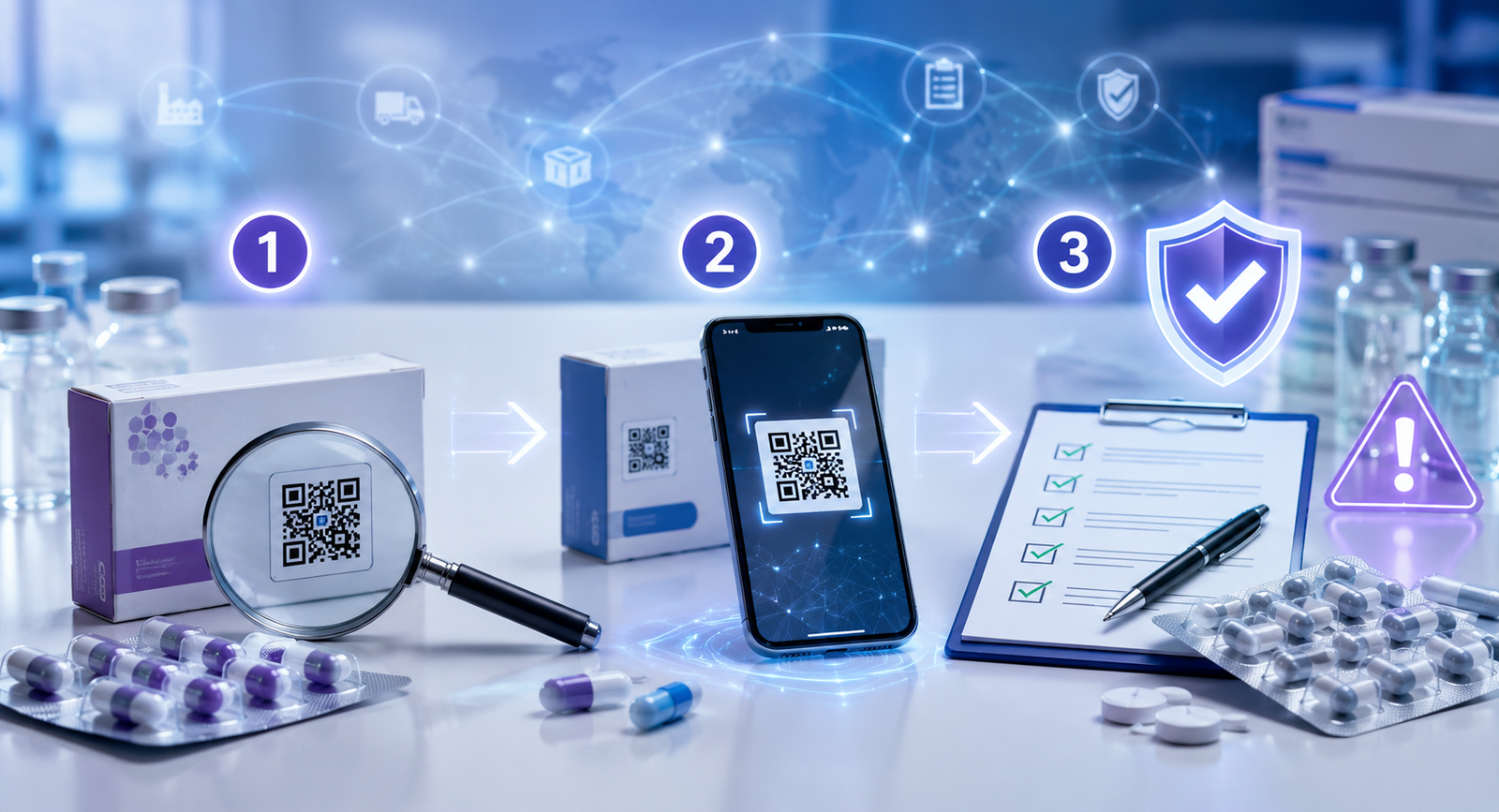
To prevent incidents like falsified SIMULECT, experts emphasize end-to-end supply chain management. Modern tools — including supply chain software, blockchain technology, smart contracts, and medicine serialization — are critical for securing the pharmaceutical supply chain.
Platforms like Synchrypt provide real-time drug traceability and supply chain visibility across manufacturers, warehouses, logistics companies, and hospitals. By leveraging blockchain in supply chain, Synchrypt creates immutable records of each medicine batch, enabling instant drug authentication and tamper-proof verification. Smart contracts automate compliance checks, trigger alerts for anomalies, and ensure that counterfeit medicines and fake drugs cannot reach patients.
Through robust inventory management systems, 3PL providers and logistics companies can track every vial from production to administration. This integrated approach ensures that medicines, particularly high-risk drugs like immunosuppressants, remain authentic and safe throughout the pharmaceutical supply chain.
A Turning Point
The falsified SIMULECT alert is a wake-up call. Even critical, life-saving medicines can be compromised when supply chains lack visibility and traceability. The pharmaceutical industry must adopt modern supply chain management practices emphasizing authentication, transparency, and advanced logistics infrastructure.
By combining blockchain technology, smart contracts, supply chain software, and solutions like Synchrypt, the global pharmaceutical supply chain can protect patients, ensure medicine integrity, and restore trust — safeguarding every vial, from warehousing to hospital.