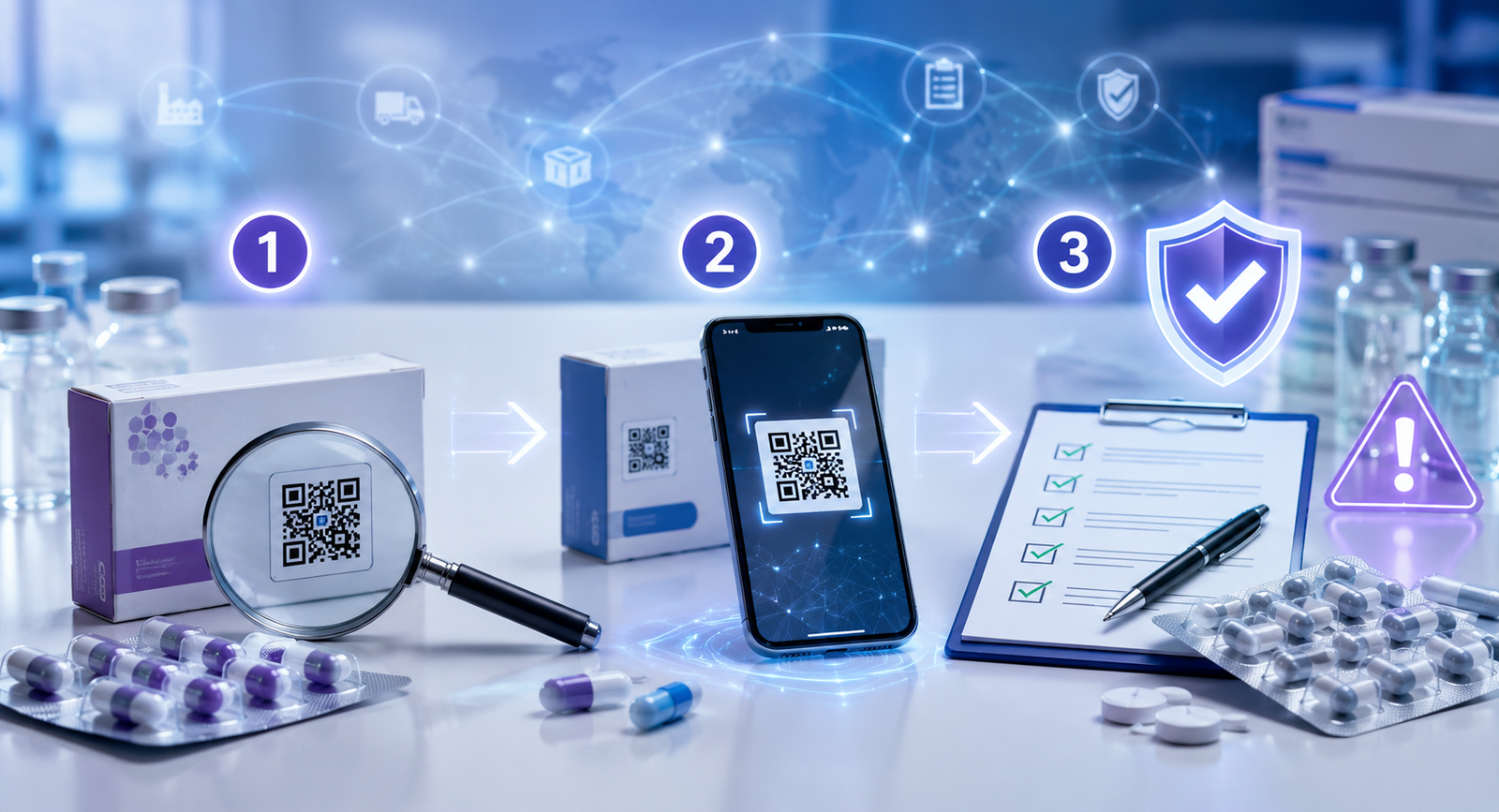

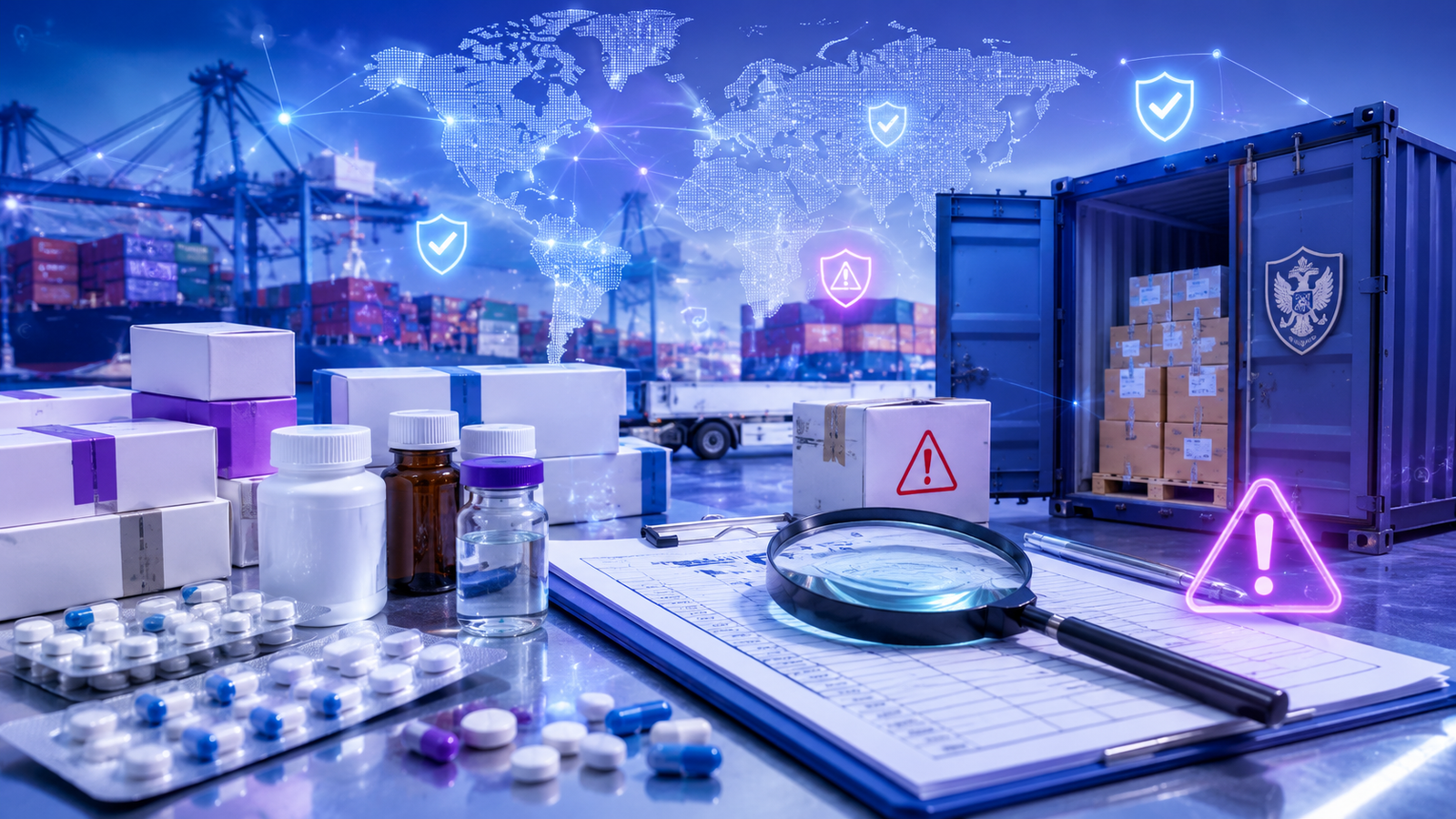
Cincinnati / Global — U.S. Customs and Border Protection (CBP) has seized more than $407,000 worth of unapproved pharmaceuticals, highlighting persistent risks in the pharmaceutical supply chain. The operation uncovered fake medicines and counterfeit medicines entering the United States through both traditional and online distribution channels, exposing weaknesses in supply chain management, supply chain visibility, and drug traceability / medicine traceability.
Officials said the seized products included misbranded prescription drugs and high-demand medications such as GLP‑1 therapies, often purchased through unverified online pharmacies. Experts warn that these incidents reveal how fragmented logistics, overburdened logistics companies, and insufficient warehousing controls can allow fake medicines to penetrate legitimate pharmaceutical industry networks.
A Black Market Exploiting Supply Chain Gaps
Criminal networks are taking advantage of vulnerabilities across third party logistics / 3PL, 3PL Europe / third party logistics, and domestic supply chains to move unregulated medications. The lack of supply chain transparency and limited supply chain traceability means that drug authentication often occurs only after patients are already at risk.
High-value pharmaceuticals are particularly targeted, revealing systemic gaps in pharmaceutical supply chain management and weaknesses in inventory management systems designed to detect counterfeit medicines Europe and North America.
Where the Pharmaceutical Supply Chain Breaks Down
The modern pharmaceutical supply chain relies on manufacturers, distributors, logistics companies, warehouses, pharmacies, and healthcare providers. At each stage, supply chain software, medicine serialization, and inventory management systems are supposed to ensure authenticity and safety.
Yet, enforcement officials note that supply chain visibility remains limited. Products can be diverted, misbranded, or counterfeited before drug traceability / medicine traceability systems detect anomalies, creating vulnerabilities that criminals exploit.
Technology Gaps Amplify the Risk
Experts point to underutilization of blockchain, blockchain technology, and blockchain in supply chain solutions as a contributing factor. Blockchain supply chain architectures provide immutable records of every transaction, while smart contracts automate compliance, flag suspicious logistics routes, and prevent unauthorized distribution.
When paired with modern supply chain software and inventory management systems, these technologies improve supply chain traceability, enhance drug authentication, and strengthen supply chain transparency in the pharmaceutical industry Europe and North America.
Global Implications
The CBP seizure is part of a larger pattern: high-demand medications targeted by counterfeiters, fragmented logistics networks, and inconsistent adoption of modern verification tools. The incident underscores the need for more robust pharmaceutical supply chain management, especially as online marketplaces and international distribution networks expand.
“Each seizure is a reminder that our pharmaceutical supply chain is only as strong as its weakest link,” said a CBP spokesperson. “Strengthening supply chain traceability is critical to safeguarding public health.”
Synchrypt: Securing Medicines Through Technology
Platforms like Synchrypt offer a proactive solution to prevent fake medicines from entering the pharmaceutical supply chain. By leveraging blockchain technology, blockchain supply chain architecture, and smart contracts, Synchrypt enables real-time supply chain visibility, drug traceability / medicine traceability, and drug authentication across manufacturers, warehouses, logistics companies, pharmacies, and healthcare providers.
Integrating supply chain software, inventory management systems, and medicine serialization, Synchrypt helps the pharmaceutical industry Europe and globally detect counterfeit medicines Europe before they reach patients, shifting the system from reactive enforcement to proactive protection.
Reference: World Border Security Congress: US CBP Seizes Over $407,000 of Unapproved Pharmaceuticals