
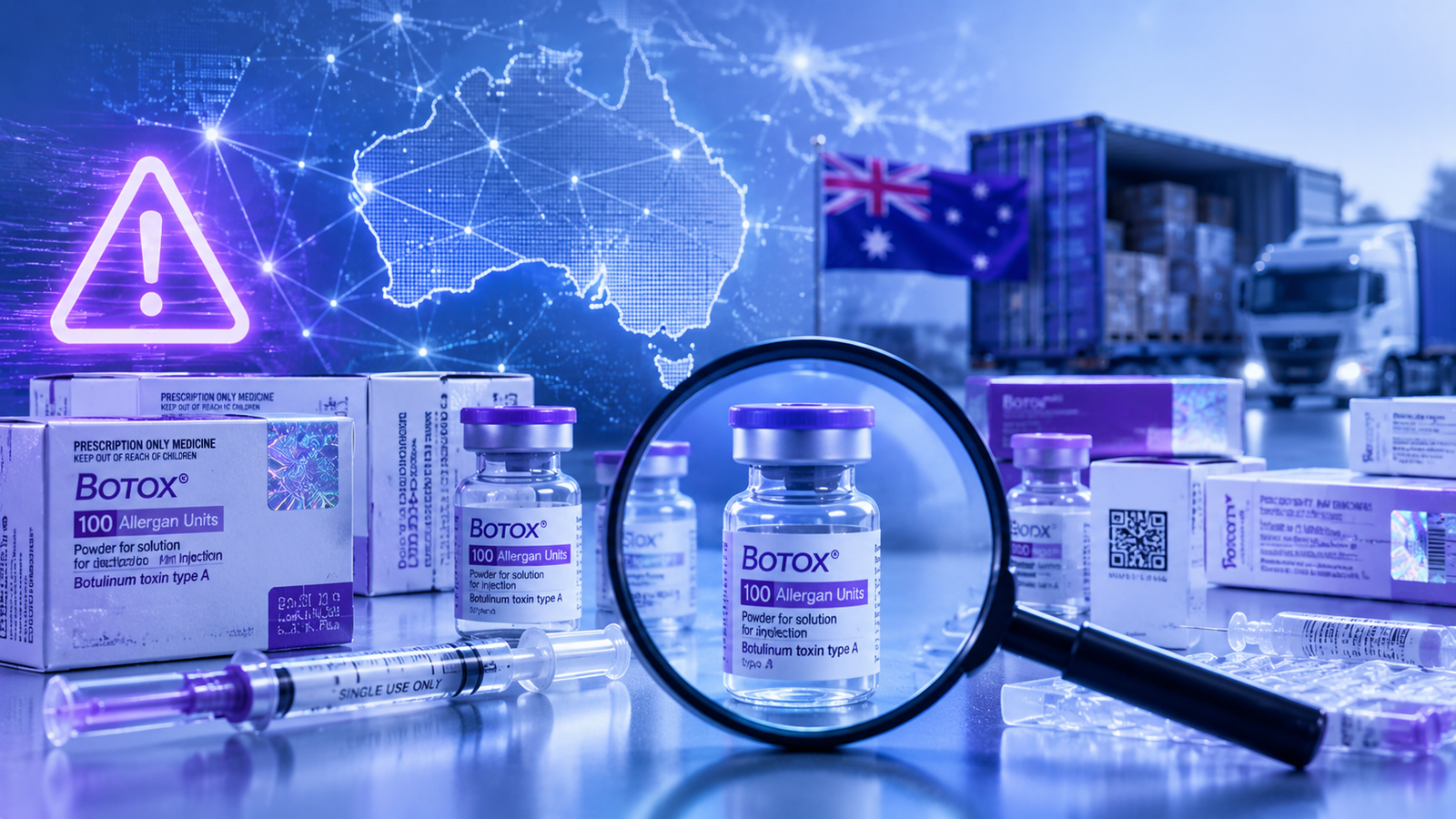
Brisbane / Global — Australian regulators have issued infringement notices to a Queensland-based individual accused of importing and advertising counterfeit medicines, specifically botulinum toxin type A, highlighting persistent vulnerabilities in the pharmaceutical supply chain. Authorities warn that fake medicines, often circulating through unverified channels, threaten patient safety and underscore weaknesses in supply chain management, supply chain visibility, and drug traceability / medicine traceability.
A Black Market Exploiting Gaps in Logistics and Oversight
Investigations reveal that criminal networks exploit gaps in logistics, logistics companies, and third party logistics / 3PL systems to introduce counterfeit medicines into legitimate distribution channels. Weaknesses in warehousing, inventory management systems, and fragmented oversight within the pharmaceutical industry Europe and Australia make it easier for fake medicines to bypass verification safeguards.
High-demand aesthetic and therapeutic drugs, including botulinum toxin, are particularly targeted. Supply chain transparency and supply chain traceability are often limited, leaving patients exposed to potentially dangerous treatments.
Where Supply Chain Systems Fail
The pharmaceutical supply chain spans manufacturers, distributors, logistics companies, warehouses, and pharmacies. Each stage relies on supply chain software, medicine serialization, and robust inventory management systems to verify authenticity.
Yet, as the TGA case demonstrates, even established supply chain management protocols can fail without end-to-end supply chain visibility. Diversion or falsification can occur before drug traceability / medicine traceability systems flag anomalies, allowing counterfeit medicines Europe and Australia to circulate undetected.
Synchrypt: Enhancing Pharmaceutical Supply Chain Security
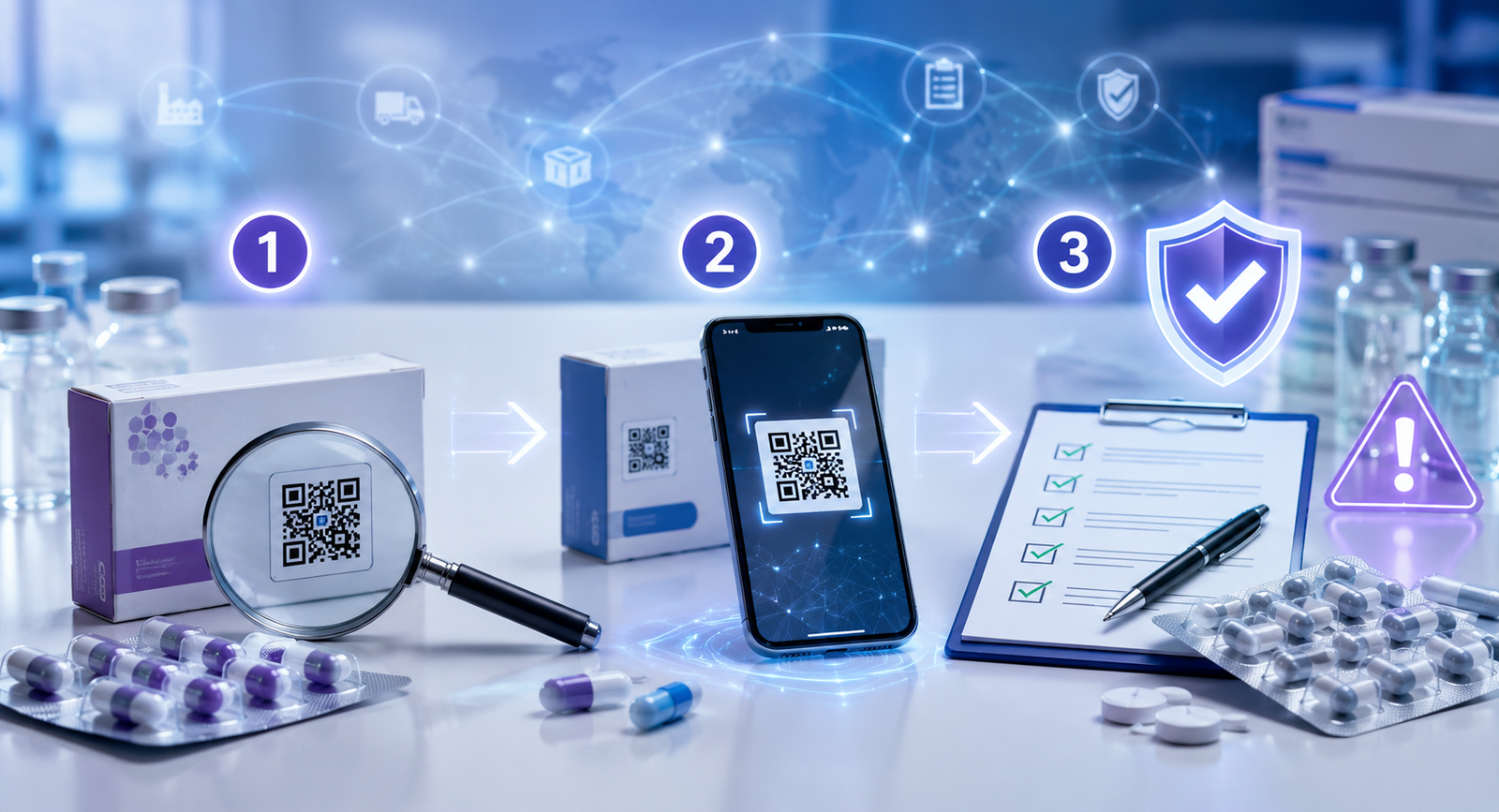
Platforms like Synchrypt offer advanced solutions to strengthen pharmaceutical supply chain integrity. By leveraging blockchain technology, blockchain supply chain architectures, and smart contracts, Synchrypt enables end-to-end drug traceability / medicine traceability. Medicines can be serialized, verified, and authenticated across manufacturers, warehouses, logistics companies, and pharmacies.
With real-time supply chain visibility, automated compliance checks, and tamper-proof records, the pharmaceutical industry can detect counterfeit medicines before they reach patients, moving from reactive enforcement to proactive protection. Integrated supply chain software and inventory management systems further strengthen supply chain traceability and supply chain transparency.