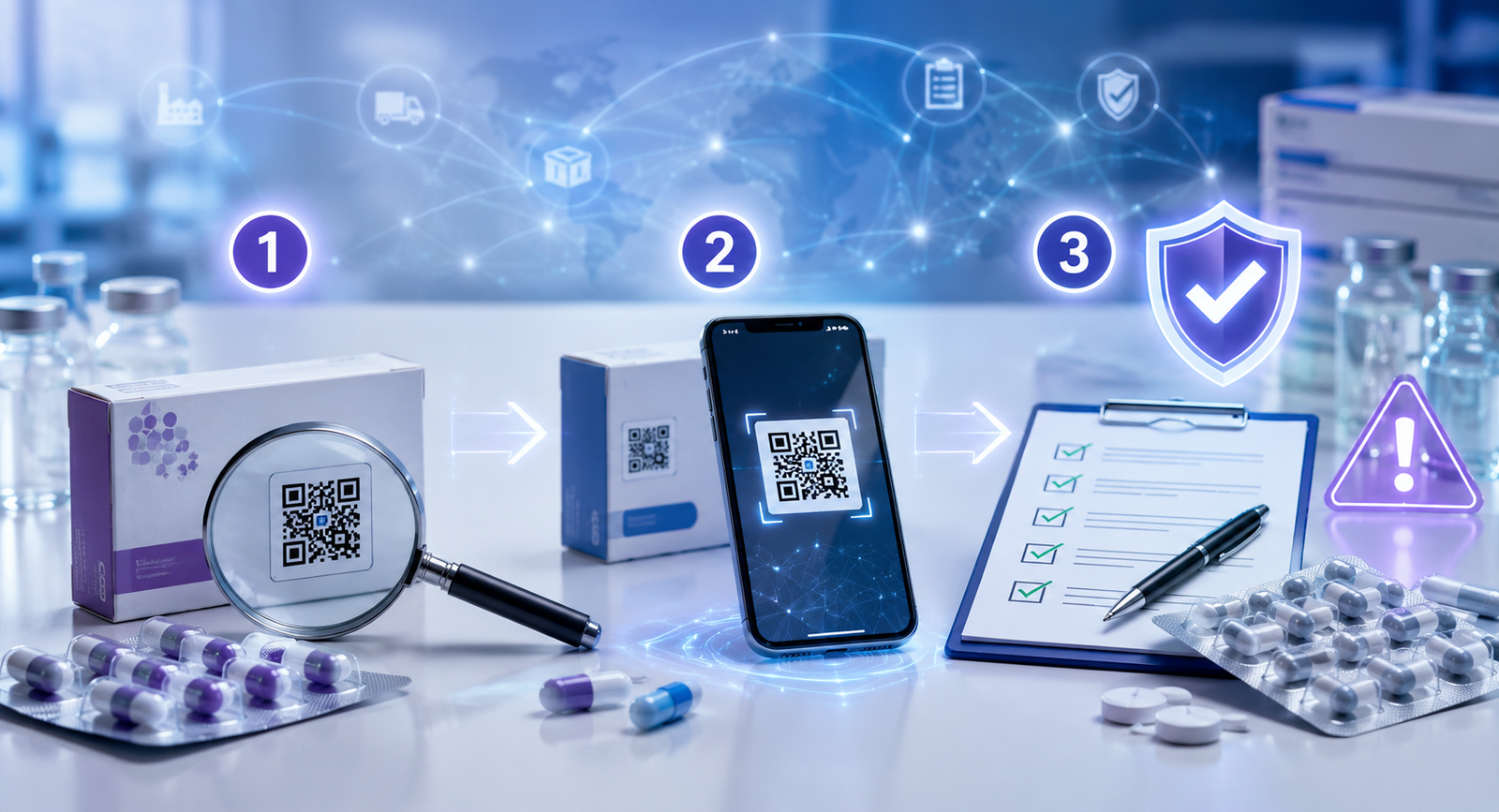


Washington, D.C. — The U.S. Food and Drug Administration (FDA) announced that its ImportShield Program has delivered significant results in enhancing supply chain security at U.S. ports of entry. The program, designed to bolster supply chain management and prevent counterfeit medicines from entering the U.S. market, highlights persistent vulnerabilities in global pharmaceutical supply chains and the need for modern verification technologies.
Monitoring Supply Chains at Ports of Entry
The FDA ImportShield Program focuses on risk-based inspection of imported goods, leveraging data analytics and intelligence-sharing to identify high-risk shipments. By improving supply chain visibility, the initiative strengthens the FDA’s ability to detect fake medicines and other substandard products before they reach U.S. consumers. Officials reported that the program has successfully prevented multiple shipments of potentially dangerous pharmaceutical products from entering the domestic market.
The program relies on coordination between logistics companies, customs brokers, third party logistics / 3PL providers, and port authorities. Shortcomings in these networks, including fragmented warehousing, inconsistent inventory management systems, and lack of end-to-end supply chain traceability, continue to challenge regulators in ensuring drug authentication.
Gaps in Traditional Supply Chain Management
Despite advances in supply chain software and risk-based screening, the FDA’s findings indicate that the pharmaceutical industry remains exposed to vulnerabilities. Imported drugs often pass through multiple intermediaries — including manufacturers, distributors, warehousing hubs, and logistics companies — each with separate systems, creating blind spots that can allow counterfeit medicines to circulate.
Industry experts note that maintaining supply chain transparency and integrating drug traceability / medicine traceability tools are critical for protecting patients. “End-to-end monitoring across the pharmaceutical supply chain is essential to prevent fraudulent or unsafe products from reaching the market,” said a senior FDA official.
Blockchain Technology and Smart Solutions
Modern threats have prompted calls for technological solutions. Blockchain technology and blockchain supply chain architectures are emerging as tools to enhance supply chain visibility and enforce smart contracts that automate compliance and verification. Integrating medicine serialization, drug authentication, and secure inventory management systems across manufacturers, logistics companies, and pharmacies can strengthen supply chain traceability and supply chain management, making it far more difficult for fake medicines to infiltrate the market.
Global Implications for the Pharmaceutical Industry
While the FDA program focuses on U.S. imports, similar challenges affect the pharmaceutical industry Europe and worldwide. Weak links in 3PL Europe / third party logistics, fragmented warehousing, and insufficient oversight in logistics networks expose patients to the risk of counterfeit medicines Europe. Strengthening supply chain software, improving supply chain transparency, and adopting blockchain in supply chain systems are critical for safeguarding patients globally.
How Synchrypt Can Protect Supply Chains
Platforms like Synchrypt offer end-to-end solutions to mitigate these risks. By combining blockchain technology, blockchain supply chain frameworks, and smart contracts, Synchrypt ensures every medicine is uniquely serialized and authenticated. Integrated inventory management systems and real-time supply chain visibility enable regulators, logistics companies, and pharmacies to detect counterfeit medicines before they reach patients. By enhancing drug traceability / medicine traceability and supply chain transparency, Synchrypt provides a secure, technology-driven approach to modern pharmaceutical supply chain management.