
Lagos, Nigeria — Nigerian lawmaker Senator Adeleke has called for increased whistleblowing to help combat the growing circulation of counterfeit medicines and fake medicines in the country, highlighting persistent vulnerabilities in the pharmaceutical supply chain. The appeal comes amid rising public concern over patient safety and regulatory oversight in the pharmaceutical industry.
Cracks in Supply Chain Management
Senator Adeleke emphasized that weaknesses in supply chain management and supply chain visibility have allowed unverified drugs to infiltrate legitimate distribution networks. He noted that counterfeit medicines often bypass licensed pharmacies and third party logistics / 3PL providers, exploiting gaps in warehousing, fragmented inventory management systems, and outdated supply chain software.
“Ensuring drug traceability / medicine traceability is no longer optional,” Adeleke said. “We must protect patients by strengthening supply chain transparency and creating channels for reporting suspicious medicines.”
The Human Cost of Fake Medicines
Health officials warn that fake medicines may contain incorrect or harmful ingredients, posing serious health risks. Patients who unknowingly consume counterfeit medicines can suffer from ineffective treatment or adverse reactions. These incidents underscore the importance of integrating drug authentication, medicine serialization, and advanced supply chain software within pharmaceutical supply chains.
Blockchain and Smart Solutions in Pharma
Experts argue that modern technology, including blockchain technology, blockchain supply chain frameworks, and smart contracts, can help secure the pharmaceutical industry. By implementing blockchain in supply chain systems, stakeholders can ensure immutable records of every drug’s journey, strengthen supply chain traceability, and improve real-time supply chain visibility from manufacturers to pharmacies.
A Call to Action for Whistleblowers
Adeleke urged citizens, healthcare workers, and logistics personnel to report fake medicines to authorities. Strengthening regulatory oversight, coupled with technological solutions and active participation from whistleblowers, can help safeguard public health and reinforce confidence in the pharmaceutical supply chain.
“Protecting the integrity of our pharmaceutical industry is a shared responsibility,” Adeleke said. “With robust supply chain management, drug traceability / medicine traceability, and vigilant reporting, we can prevent counterfeit medicines from reaching patients.”
How Synchrypt Can Strengthen the Pharmaceutical Supply Chain
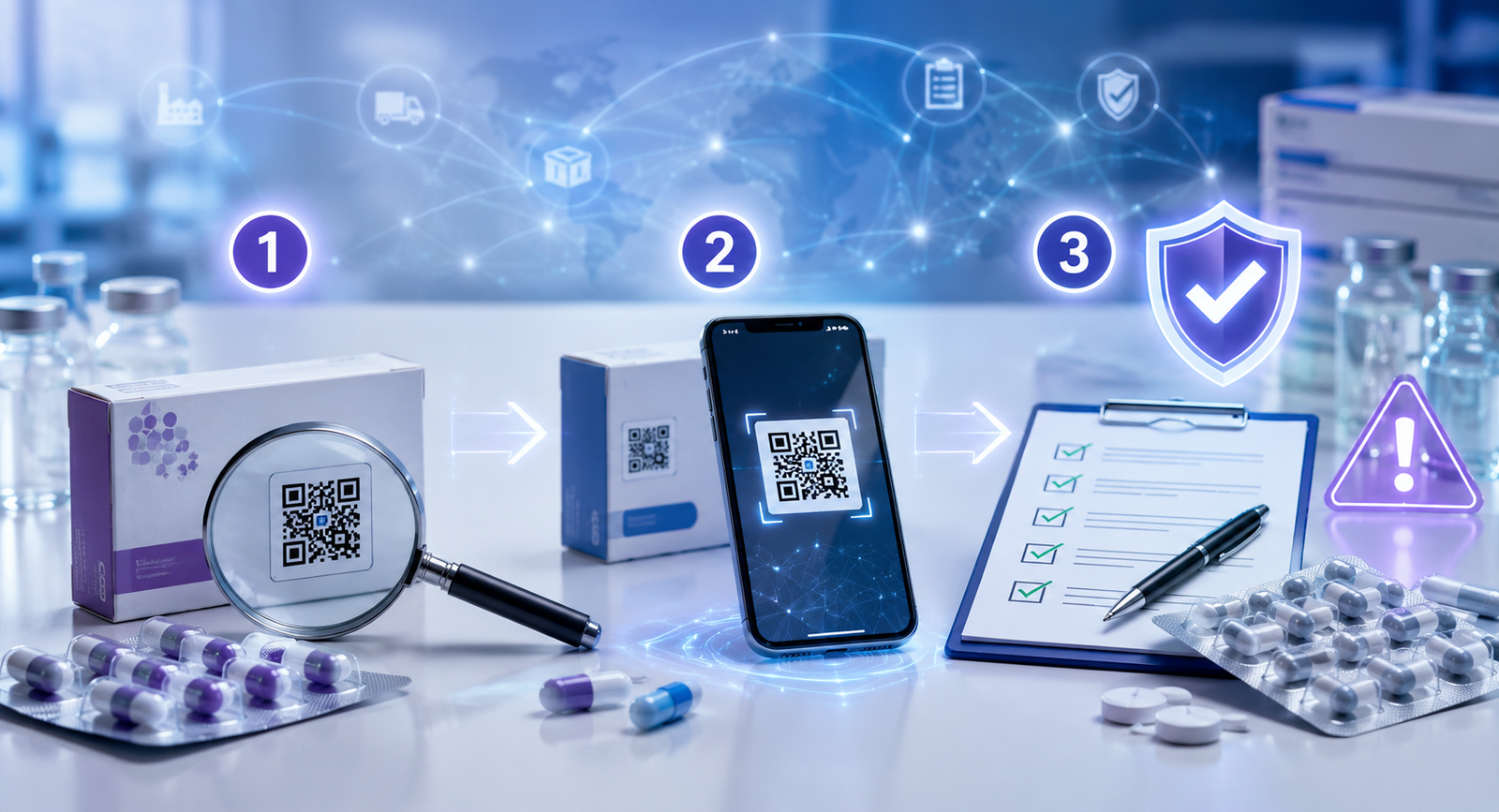
Platforms such as Synchrypt provide end-to-end solutions to mitigate risks in the pharmaceutical supply chain. By leveraging blockchain technology, blockchain supply chain frameworks, and smart contracts, Synchrypt ensures every medicine is uniquely serialized and authenticated. Integrated inventory management systems and real-time supply chain visibility allow regulators, logistics companies, and pharmacies to detect counterfeit medicines before they reach patients, enhancing supply chain transparency and drug traceability / medicine traceability.
Global Lessons for Supply Chain Security
The challenges facing Nigeria mirror issues in pharmaceutical supply chains worldwide, including Europe. Gaps in 3PL Europe / third party logistics, fragmented warehousing, and limited integration of supply chain software continue to expose patients to counterfeit medicines Europe. The adoption of blockchain technology, smart contracts, and end-to-end drug authentication remains critical to global supply chain transparency and patient safety.
Source: PM News Nigeria — Adeleke Calls for Whistleblowing Against Fake Drugs